Removing gel nail polish involves soaking your nails in acetone, followed by gentle scraping and buffing. This process protects natural nails from damage. Salons typically remove gel polish by soaking nails in acetone wraps, followed by careful scraping and cuticle oil application. Professional removal minimizes damage to the natural nail. Acetone is essential for effective gel polish removal, as it is the primary solvent that breaks down the gel formula. Alternative methods often damage nails or leave residue. Regular nail polish remover cannot remove gel polish because it lacks the necessary solvents. Gel polish requires a stronger, acetone-based solution.
Ready to achieve salon-quality results at home? Continue reading for a detailed guide on safe gel nail polish removal, including tips from Profile The Chain of Salons.
How to Remove Gel Nail Polish Safely at Home?
Removing gel nail polish safely at home involves a multi-step process using acetone to dissolve the gel, followed by gentle physical removal and nail care. This detailed approach minimizes damage to natural nails. Achieving salon-quality results at home requires careful attention to each step. The following section provides comprehensive instructions for safe and effective gel nail polish removal, ensuring your nails remain healthy and strong.
What Tools and Products Do You Need for Gel Nail Removal?
Removing gel nail polish safely at home requires specific tools and products, including pure acetone, cotton balls, aluminum foil, a nail file, a buffer, cuticle oil, and a cuticle pusher. These essential items facilitate the dissolving and gentle removal process. Gathering these materials beforehand ensures a smooth and effective gel polish removal, minimizing potential damage to natural nails. The following outlines the purpose of each item for a complete at-home removal kit:
- Pure Acetone: This strong solvent effectively breaks down the gel polish bonds for easy removal.
- Cotton Balls or Pads: Used to soak in acetone and apply directly to the nails.
- Aluminum Foil: Cut into small squares to wrap around each fingertip, holding the acetone-soaked cotton in place.
- Nail File: Used to gently buff the top layer of gel polish, allowing acetone to penetrate more effectively.
- Nail Buffer: Smoothes the nail surface after gel removal, preparing it for conditioning.
- Cuticle Oil: Applied after removal to rehydrate and nourish the cuticles and nail bed.
- Cuticle Pusher (Wood or Metal): Gently pushes softened gel polish off the nail plate without scraping.
How to File and Buff Gel Nails Before Soaking?
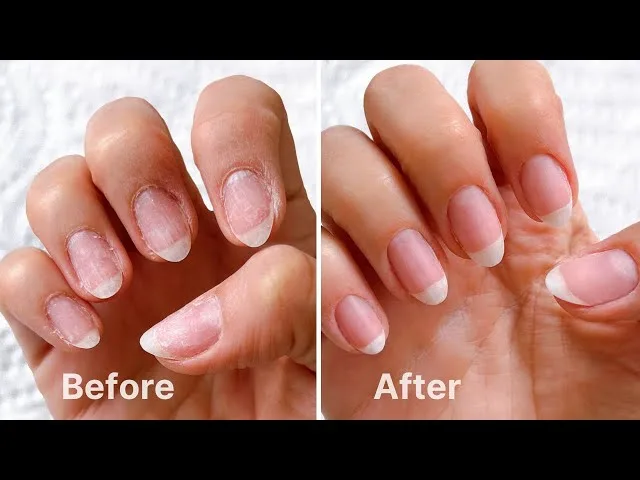
To file and buff gel nails before soaking, gently abrade the topcoat with a fine-grit nail file and then lightly buff the entire nail surface to create an even texture. This preparation enhances acetone penetration for more effective removal. Properly preparing the nail surface ensures that the acetone can reach and dissolve the gel polish layers efficiently, minimizing the time required for soaking and reducing potential damage from excessive scraping. This step is crucial for achieving smooth and healthy nail removal.
How to Soak Off Gel Polish with Acetone and Foil?
To soak off gel polish with acetone and foil, apply acetone-soaked cotton balls to each nail, secure them with foil wraps, and allow them to sit for 10-15 minutes. This method effectively dissolves the gel, preparing it for gentle removal. Properly executed, this soaking process minimizes damage to the natural nail by ensuring thorough acetone penetration. Following a precise step-by-step guide facilitates safe and effective gel nail polish removal at home. The process ensures that the gel layers are adequately softened, allowing for easy and non-damaging removal.
How to Gently Scrape and Remove Loosened Gel Polish?
To gently scrape and remove loosened gel polish, use a wooden or metal cuticle pusher to carefully lift and slide the softened gel off the nail plate. This technique minimizes damage to the natural nail by avoiding harsh scraping. Carefully removing the dissolved gel polish ensures the underlying nail remains healthy and intact. This method facilitates thorough cleaning of the nail surface without causing stress or injury, preserving the nail’s integrity and preparing it for subsequent care. Focus on steady, light pressure to prevent any harm to the nail bed.
What Are the Aftercare Steps for Nails Post Gel Removal?
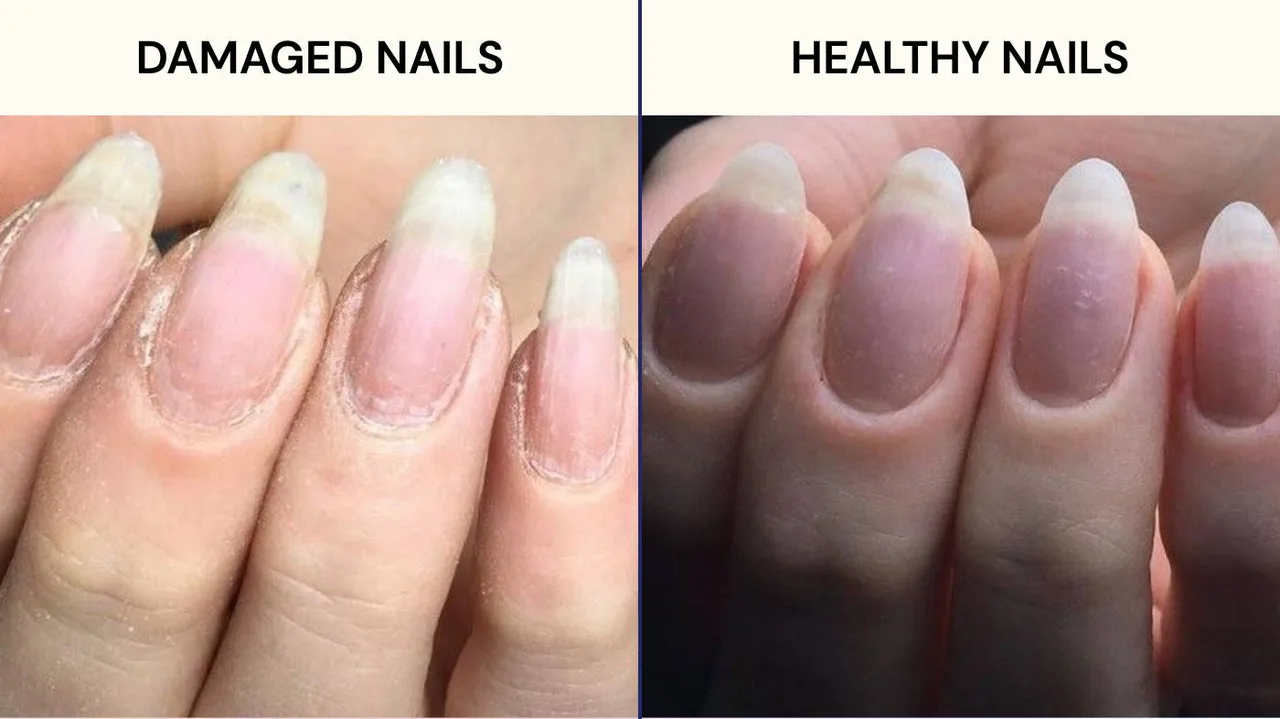
Aftercare for nails post gel removal involves moisturizing, strengthening, and protecting the nail plate and surrounding cuticles to restore health and prevent damage. This comprehensive approach ensures nails remain resilient and hydrated. Implementing a consistent aftercare routine is crucial for minimizing the effects of acetone exposure and maintaining nail integrity. These steps facilitate natural nail recovery and promote long-term health, preparing them for future treatments or a natural, healthy appearance.
How Do Salons Remove Gel Polish?
Salons remove gel polish through a professional process involving specific techniques and tools to ensure safe and effective dissolution and removal. This systematic approach minimizes damage to natural nails and maintains their health. Professional removal methods are designed to efficiently break down the gel while protecting the underlying nail structure, preparing them for future treatments or natural growth.
What Equipment Do Professionals Use for Gel Nail Removal?
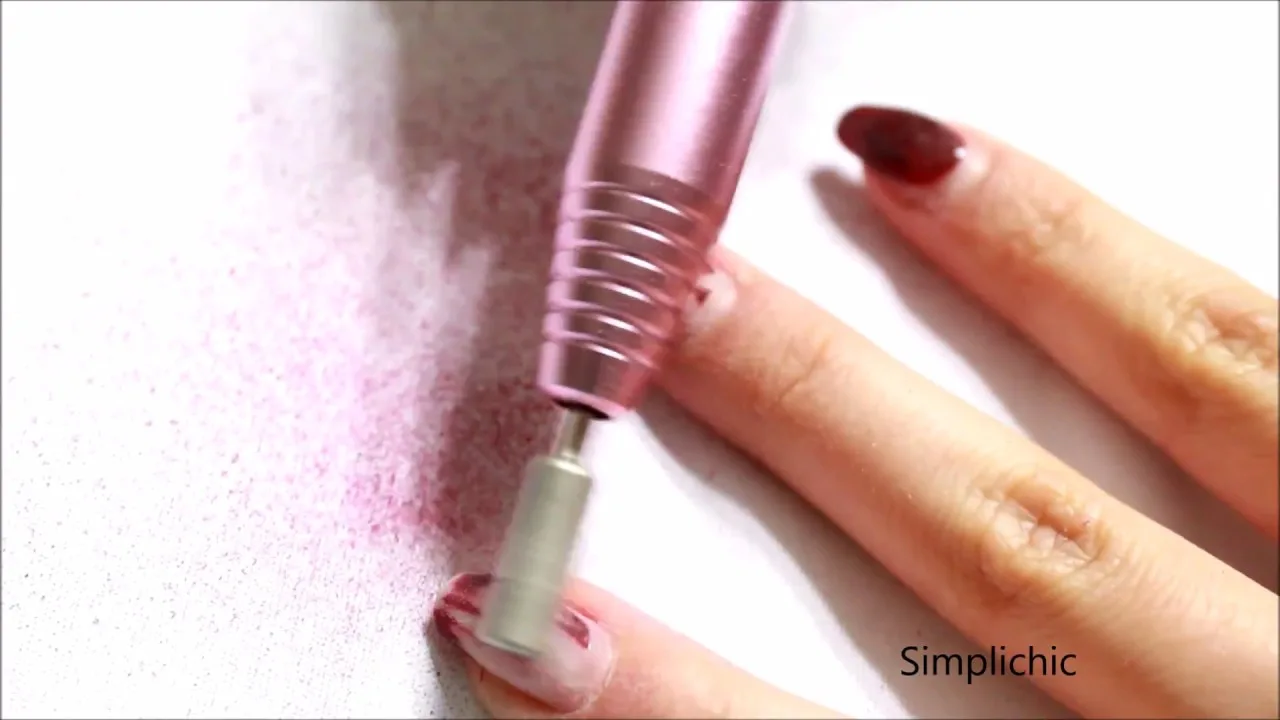
Professional gel nail removal involves specialized equipment such as electric files, steamers, and advanced removal solutions to ensure efficient and damage-free results. These tools enable precise gel dissolution and gentle removal, protecting the natural nail. Salons use this equipment to achieve a thorough removal process while maintaining the health and integrity of the nail plate. The following outlines the primary professional tools utilized for safe gel polish removal.
How Do Salons Minimize Nail Damage During Gel Removal?
Salons minimize nail damage during gel removal by employing controlled soaking techniques, gentle scraping, and specialized tools to protect the natural nail. This professional approach prioritizes nail health throughout the removal process. Salons implement specific best practices and use advanced equipment to ensure efficient and safe gel polish removal, preventing common issues such as thinning, breakage, or dehydration of the nail plate.
Can You Take Off Gel Nail Polish Without Acetone?
You cannot effectively remove gel nail polish without acetone, as acetone is the primary solvent that breaks down the gel formula. Alternative methods like peeling or filing can damage your nails, leaving residue or weakening the nail plate. While some non-acetone removers exist, they are generally ineffective for gel polish due to its durable composition. This inability to remove gel polish without acetone highlights the necessity of using the correct solvent for safe and complete removal, preventing potential harm to natural nails. The following sections explore the effectiveness and risks associated with non-acetone removal methods.
What Are Acetone-Free Gel Nail Polish Removal Options?
Acetone-free gel nail polish removal options generally involve methods that physically alter or separate the gel from the nail, such as steam removal, peel-off bases, or specialized non-acetone removers. These alternatives aim to provide a less harsh approach compared to traditional acetone soaking. While these methods exist, their effectiveness and suitability for all types of gel polish vary. This section examines several non-acetone removal techniques and their associated considerations for at-home use.
Are Acetone-Free Methods as Effective as Acetone for Gel Removal?
Acetone-based methods generally outperform acetone-free options in effectiveness and speed for gel nail polish removal, despite a higher potential for dehydration. Non-acetone alternatives often require longer processing times and may not fully dissolve the gel, potentially leading to more physical damage during removal. This difference in efficacy impacts the overall health and appearance of the nails post-removal. The following comparison highlights the varying outcomes between the two methods concerning efficiency, speed, and potential for nail damage.
Can Regular Nail Polish Remover Remove Gel Polish?
No, regular nail polish remover cannot remove gel polish because it lacks the potent solvents required to break down the resilient gel formula. This type of remover is specifically formulated for traditional lacquers and does not contain the strength needed for gel. This inability to dissolve gel polish stems from the fundamental chemical differences between the two nail product types, making regular remover ineffective and potentially damaging if used improperly on gel nails.
What is the Difference Between Regular and Gel Nail Polish Removers?
Regular nail polish removers utilize milder solvents like ethyl acetate or isopropyl alcohol, which differ significantly from the potent acetone found in gel nail polish removers. This chemical distinction dictates their effectiveness on different nail products. While regular removers dissolve traditional lacquer, acetone specifically breaks down the more robust polymers in gel polish. This fundamental difference in chemical composition means regular removers cannot penetrate or dissolve gel polish, necessitating acetone for complete and safe removal.
What Are the Potential Risks of Improper Gel Nail Removal?
Improper gel nail removal risks various issues, including nail plate thinning, breakage, and damage to the cuticles, compromising overall nail health. These detrimental effects often arise from aggressive filing, inadequate soaking, or forceful scraping. Understanding these potential hazards is crucial for adopting safe removal practices, preventing long-term damage and maintaining healthy, strong nails.
What Are the Signs of Nail Damage from Incorrect Gel Removal?
Signs of nail damage from incorrect gel removal include visible thinning, brittleness, white spots, and splitting or peeling of the nail plate. These visual cues indicate compromised nail health due to improper techniques. Identifying these symptoms is crucial for addressing the damage and implementing appropriate aftercare to restore nail integrity.
How to Avoid Common Mistakes During At-Home Gel Nail Removal?
To avoid common mistakes during at-home gel nail removal, ensure proper soaking, gentle scraping, and thorough aftercare. These practices prevent nail damage and maintain nail health. Preventing errors during at-home gel nail polish removal requires careful attention to detail throughout each step. Adhering to best practices minimizes risks such as thinning, breakage, or damage to the nail plate and cuticles.
Conclusion
In summary, safe and effective gel nail polish removal primarily relies on the use of acetone to dissolve the gel, whether performed at home or in a salon. This process, involving soaking, gentle scraping, and meticulous aftercare, is crucial for maintaining nail health and preventing damage. While professional removal offers specialized tools and techniques to minimize harm, at-home removal can achieve similar results with the right tools and careful adherence to each step. Avoiding non-acetone removers and regular nail polish remover is essential, as they are ineffective and can lead to damage. By understanding the proper methods and potential risks, you ensure your nails remain strong and healthy.