To remove gel nails at home safely and easily, gently file down the top coat, soak your nails in acetone, and then carefully push off the softened gel. This method minimizes damage and protects your natural nails. Always prioritize nail health during the removal process.
The easiest way to remove gel nails at home is by using the foil-wrap acetone method. This technique streamlines the soaking process, allowing for efficient gel removal with minimal effort. Consistent application ensures a smooth and quick result.
Safe alternatives to acetone for removing gel nails include using a gel polish steamer or a peel-off base coat. These methods reduce chemical exposure, offering a gentler approach to gel nail removal. For more advanced solutions and professional advice, explore the comprehensive services at Profile The Chain of Salons. In this article, we’ll delve deeper into how you can remove gel nails at home safely and easily, the easiest methods, and safe alternatives to acetone.
How can you remove gel nails at home safely and easily?
To safely remove gel nails at home, gently file the top coat and soak nails in acetone, then carefully push off the softened gel. This approach emphasizes protection for natural nails throughout the process. Various methods ensure effective gel removal while maintaining nail health and ease of use.
What tools and materials are needed for at-home gel nail removal?
To remove gel nails at home, essential tools and materials include a nail file, 100% pure acetone, cotton balls, aluminum foil, and cuticle oil. These items facilitate both the preparation and the actual removal process, ensuring effective and safe results. Gathering these specific tools and materials helps prepare for a smooth gel nail removal experience at home, prioritizing both efficacy and nail health.
How do you prepare your nails for gel polish removal?
To prepare your nails for gel polish removal, gently file down the top coat to break the seal and facilitate acetone penetration. This initial step is crucial for efficient gel removal, minimizing the soaking time and protecting your natural nail bed. Proper preparation ensures a smoother and safer process. After filing, ensure nails are clean and dry, creating an optimal surface for the subsequent removal steps.
How do you use acetone to remove gel nail polish at home?

To use acetone for gel nail polish removal at home, employ either the foil-wrap method or the soaking method, ensuring careful application and protection of the surrounding skin. These techniques effectively soften gel for easy removal while prioritizing nail health. Understanding the specific steps for each method helps ensure a safe and efficient process.
How do you remove gel nails without acetone?
To remove gel nails without acetone, gently file away the gel or utilize a gel polish steamer. These methods offer alternatives for softening and detaching the gel from the natural nail, reducing chemical exposure. Focusing on these non-acetone approaches helps protect nail health while achieving effective removal. For those seeking professional nail care or exploring advanced removal techniques, Profile The Chain of Salons provides specialized services and expert guidance.
What is the easiest way to remove gel nails at home?
The easiest way to remove gel nails at home is generally the foil-wrap acetone method, which effectively dissolves gel. This approach streamlines the removal process, allowing for quick and effective results. Identifying the easiest method depends on balancing speed, simplicity, and available tools, aiming for the least complicated process for most users.
Which gel nail removal method is the quickest for at-home use?
The quickest gel nail removal method for at-home use is the foil-wrap acetone method, which efficiently softens and loosens gel polish for rapid removal. This technique prioritizes speed while maintaining nail integrity. When considering the fastest removal approach, the efficiency of acetone in dissolving gel is a primary factor. The foil-wrap method accelerates this process by creating a warm, enclosed environment that enhances acetone’s effectiveness, leading to quicker results compared to simple soaking or non-acetone alternatives. Proper execution minimizes the time required, making it a preferred option for those seeking prompt gel nail removal.
Does the type of gel polish affect the ease of removal?
Yes, the type of gel polish significantly affects the ease of removal, with different formulations requiring varying soaking times and removal techniques. This variation is due to the chemical composition and bonding strength of the gel. Understanding these differences helps in selecting the appropriate removal method to minimize nail damage. Some gel polishes feature a softer composition, designed for quicker dissolution, while others boast a more durable, harder set that necessitates longer acetone exposure or gentle filing. This distinction impacts both the duration and the specific tools required for efficient and safe at-home gel nail removal.
What are safe alternatives to acetone for removing gel nails?
Safe alternatives to acetone for removing gel nails include gel polish steamers and peel-off base coats, offering less chemical exposure and gentler removal. These methods prioritize nail health while effectively detaching the gel. Exploring various non-acetone approaches helps protect natural nails from harsh chemicals, providing options for different preferences and nail types.
Are peel-off base coats a safe alternative for gel nail removal?
Yes, peel-off base coats are a safe alternative for gel nail removal as they minimize the need for harsh chemicals and extensive filing. This method creates a protective layer that allows gel polish to be gently lifted without damage to the natural nail. Evaluating the safety and effectiveness of peel-off base coats as an alternative to traditional gel removal methods shows a significant reduction in chemical exposure. These base coats also simplify the removal process, preventing the natural nail from becoming brittle or thin due to repeated acetone use.
How does filing compare to acetone for gel nail removal safety?
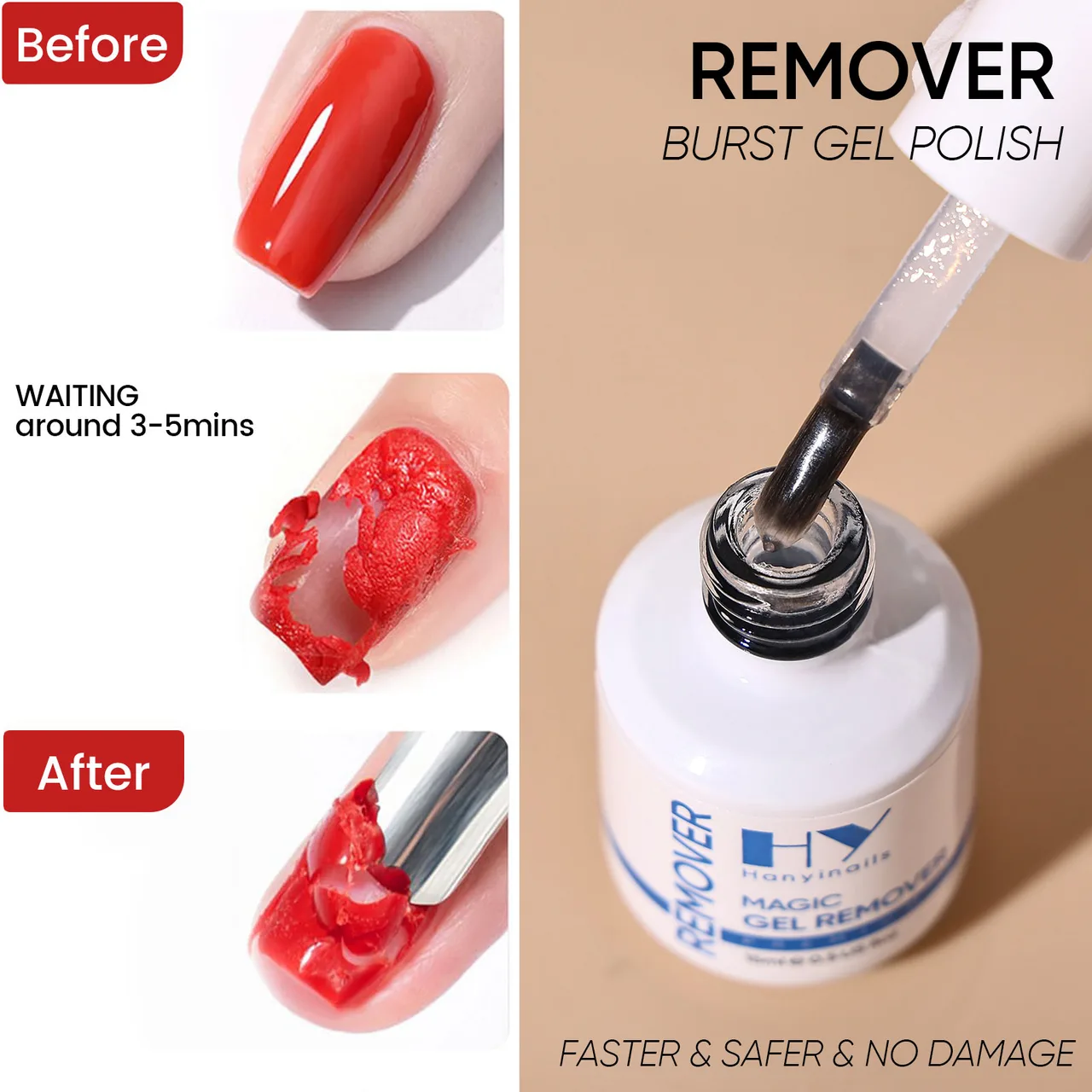
Filing gel nails often poses a higher risk of natural nail damage than acetone use, particularly when performed incorrectly. This is due to the potential for excessive abrasion and thinning of the nail plate during manual removal. While acetone exposure can lead to dryness, improper filing causes direct physical harm. Filing requires precision to avoid weakening the natural nail, distinguishing it from the chemical softening approach of acetone. Balancing these methods ensures effective gel removal while minimizing adverse effects on nail health.
How do you care for your nails after gel nail removal?
After gel nail removal, prioritize rehydration and strengthening to restore nail health and prevent damage. This aftercare routine supports natural nail recovery and minimizes brittleness. Following a structured regimen helps maintain nail integrity post-removal. Maintaining optimal nail health after gel polish removal involves several key steps.
What products are best for hydrating nails after gel removal?
For hydrating nails after gel removal, best products include cuticle oils and nail strengtheners to restore moisture and fortify the nail plate. These specific products address post-removal needs, aiding in recovery and preventing further damage. Selecting the right formulations supports long-term nail health. Cuticle oils, rich in vitamins and nourishing extracts, penetrate deeply to rehydrate the nail bed and surrounding skin. Nail strengtheners create a protective barrier, minimizing breakage and promoting healthy growth.
Conclusion
Safely and easily removing gel nails at home involves gently filing the top coat, soaking nails in acetone using the foil-wrap method, and carefully pushing off the softened gel to minimize damage and protect natural nails. Alternatives like gel polish steamers or peel-off base coats offer less chemical exposure. Proper aftercare, including using cuticle oils and nail strengtheners, is crucial for restoring moisture and fortifying nails post-removal. Prioritizing nail health throughout the process ensures effective removal and maintains nail integrity.