Removing gel nails at home safely involves specific techniques to protect your natural nails. This guide outlines the easiest methods, such as soaking in acetone or filing down the topcoat before wrapping. For those seeking alternatives, we’ll explore options like steaming or using a peel-off base coat to achieve salon-quality results without damage. Discover how Profile The Chain of Salons ensures your nail health, as we guide you through safe at-home removal techniques, answering: How to Remove Gel Nails at Home Without Damaging Your Natural Nails? What Are the Easiest Methods for At-Home Gel Nail Removal? What Are Effective Alternatives to Acetone for Gel Nail Removal?
How to Remove Gel Nails at Home Without Damaging Your Natural Nails?
Removing gel nails at home without causing damage involves following a precise, multi-step process that prioritizes nail health. This approach focuses on gentle techniques to prevent weakening or tearing of the natural nail plate. Understanding these safe removal techniques is crucial for maintaining the integrity and strength of your natural nails. The following steps provide a detailed guide to achieving this safely and effectively at home.
What Are the Essential Tools and Products for Safe Gel Nail Removal at Home?
Essential tools and products for safe gel nail removal at home include acetone, cotton balls, aluminum foil, a nail buffer, and cuticle oil. These items facilitate a gentle and effective removal process, minimizing damage to natural nails. Properly preparing these supplies before starting ensures a smooth and safe at-home gel nail removal experience.
To begin, prepare pure acetone, cotton balls or pads, and strips of aluminum foil large enough to wrap around each fingertip. A nail buffer is crucial for gently removing the top layer of the gel, and cuticle oil helps rehydrate and protect the nail and surrounding skin post-removal. Additional useful tools include an orange wood stick or a cuticle pusher for gentle gel removal after soaking.
What is the Best Method to Safely File and Buff Gel Nails Before Soaking?
The best method to safely file and buff gel nails before soaking involves gently removing the top coat without reaching the natural nail plate. This process prepares the gel for effective acetone penetration, minimizing damage during removal. Proper filing and buffing ensure the gel surface is adequately compromised for soaking, leading to a smoother and safer overall removal process.
How to Properly Soak Gel Nails in Acetone to Prevent Damage?
Properly soaking gel nails in acetone to prevent damage involves precise application using either foil wraps or a bowl, prioritizing skin and cuticle protection. This method ensures the gel is adequately softened for gentle removal, minimizing stress on the natural nail. Careful execution of each step prevents overexposure and keeps nails healthy during the removal process.
To effectively soak your gel nails, you can choose between two main techniques: foil wraps or an acetone bath. For foil wraps, saturate a cotton ball with pure acetone, place it directly on the gel nail, and secure it tightly with aluminum foil until the gel softens and can be gently pushed off. When using an acetone bath, pour acetone into a shallow glass bowl, apply a protective layer of cuticle oil or petroleum jelly around your nails, and immerse your fingertips. Both methods require vigilance to prevent over-soaking and potential skin irritation.
What Are the Safest Ways to Gently Scrape Off Loosened Gel Polish After Soaking?
The safest ways to gently scrape off loosened gel polish after soaking involve using a cuticle pusher or an orange wood stick without applying excessive force. This method ensures the softened gel is lifted from the nail plate without causing damage to the natural nail. Careful and gentle scraping is crucial for maintaining nail health during the removal process.
How to Care for Nails After Gel Removal to Maintain Health?
Caring for nails after gel removal to maintain health involves consistent moisturizing, targeted strengthening treatments, and protective measures against environmental damage. This comprehensive approach helps restore the natural nail’s integrity and resilience. Prioritizing post-removal care is essential for preventing common issues like dryness, brittleness, and breakage, ensuring the long-term health and appearance of your nails.
What Are the Easiest Methods for At-Home Gel Nail Removal?
The easiest methods for at-home gel nail removal prioritize simplicity and minimize the need for specialized tools. These approaches focus on accessible techniques that yield effective results without extensive effort. Understanding these straightforward options facilitates convenient and safe at-home gel nail removal. Several common methods stand out for their ease of use and practicality for home application.
How Does the Soak-Off Method Simplify At-Home Gel Nail Removal?
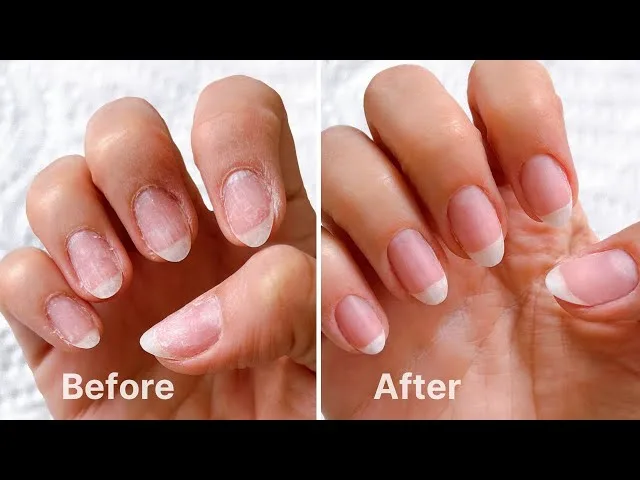
The soak-off method simplifies at-home gel nail removal by using acetone to dissolve the gel, allowing for easy and non-damaging removal. The simplicity of soaking in acetone makes it a preferred method for many, minimizing the need for abrasive tools or complex procedures. The method involves several key steps that ensure the gel loosens without harming the natural nail.
How Can a Steam-Off Method Offer an Easier Alternative for Gel Nail Removal?
A steam-off method offers an easier alternative for gel nail removal by using gentle heat to loosen and soften the gel polish. This provides a less messy and often quicker process than traditional acetone soaking. This approach minimizes direct skin contact with harsh chemicals, making it a more comfortable option for many. The steam-off method effectively prepares the gel for gentle removal without excessive scraping, contributing to healthier nails.
This alternative technique streamlines at-home gel nail removal by leveraging vapor to lift the polish. Steam removers work by heating acetone or a specialized gel removal solution to create a warm vapor, which penetrates the gel layers more efficiently. This controlled exposure to vapor allows the gel to peel or lift off easily, reducing the need for aggressive filing or prolonged soaking. The primary benefits include a cleaner removal process, reduced acetone waste, and less potential for skin dryness compared to submerging nails in liquid acetone. The steaming process typically takes 5 to 10 minutes per hand, depending on the gel type and thickness, offering a relatively fast and efficient at-home solution.
Are Peel-Off Base Coats an Easier Option for At-Home Gel Nail Removal?
Yes, peel-off base coats offer an easier option for at-home gel nail removal, particularly for occasional gel wearers seeking a less damaging method. This alternative minimizes the need for acetone and aggressive scraping, preserving natural nail health.
Peel-off base coats simplify removal by creating a barrier that allows the gel polish to lift off with minimal effort. This method is especially beneficial for those who frequently change their gel manicures or have naturally weak nails. The primary benefit of using a peel-off base coat lies in its ability to prevent direct contact between the gel polish and the natural nail, facilitating a gentler detachment. For removal, Users simply lift a corner of the gel polish and gently peel it away from the nail plate. This process avoids the prolonged acetone exposure and extensive filing associated with traditional gel removal, significantly reducing the risk of dryness, brittleness, and damage to the natural nail.
What Are Effective Alternatives to Acetone for Gel Nail Removal?
Effective alternatives to acetone for gel nail removal include methods like steaming, using a peel-off base coat, and gentle buffing. These non-acetone options provide less harsh approaches to removing gel polish, catering to those with sensitive skin or brittle nails. Exploring these alternatives supports maintaining nail health while still achieving a clean gel removal. Each method offers distinct advantages in minimizing chemical exposure and mechanical damage during the process.
Can Non-Acetone Gel Polish Removers Effectively Remove Gel Nails?

Yes, non-acetone gel polish removers can effectively remove gel nails, primarily through chemical formulations designed to break down gel polymers without harsh acetone. These removers provide a gentler alternative, often preferred for sensitive skin or brittle nails. Their effectiveness relies on specific ingredients that target the gel bond.
Non-acetone removers typically contain solvents like ethyl acetate or isopropyl alcohol, which work by softening the gel polish. This allows the gel to be gently pushed off the nail plate after a soaking period, similar to acetone-based removal but with less dehydrating effects. Non-acetone nail polish removers typically contain alternative solvents such as ethyl acetate or isopropyl alcohol. The removal process often requires a longer soaking time compared to acetone to fully soften the gel. While effective, some stubborn gel polishes may require additional applications or gentle buffing to aid in removal.
How Do Gel Nail Steamer Machines Work as an Acetone Alternative?
Gel nail steamer machines remove gel polish by using controlled heat and steam to gently soften the gel, allowing for easy removal without harsh chemicals. This mechanism offers a less abrasive alternative to traditional acetone soaks, minimizing potential damage to the natural nail. The primary benefit of this approach is a reduced need for aggressive scraping or prolonged chemical exposure, promoting healthier nails post-removal.
Gel nail steamers operate by creating a warm vapor from a small amount of acetone or a specialized gel removal solution. The heat from the steam helps the solvent penetrate and break down the gel layers more efficiently than a cold soak. Users place their fingers into designated slots within the device, where the vapor then works to loosen the gel. This process typically takes a short amount of time per hand, after which the softened gel can be gently pushed off with an orange wood stick or cuticle pusher. The contained environment of the steamer ensures targeted application, reducing overall exposure to chemicals.
What Natural Oils Can Be Used to Aid Gel Nail Removal Without Acetone?
Natural oils like coconut oil and olive oil can be used to soften and loosen gel polish, primarily acting as an aid rather than a standalone gel remover. These oils work by penetrating the gel, which assists in making the polish easier to lift. Exploring their application provides a gentler approach to loosening gel nails, minimizing the need for harsh chemicals.
While not dissolving gel polish directly, their conditioning properties make them valuable in the removal process. Applying natural oils helps to moisturize the nail and cuticle area, which often becomes dry during gel nail removal. This preparation allows for a smoother detachment of the gel, particularly when combined with gentle scraping methods. For best results, apply a generous amount of oil to the gel nail and allow it to soak for at least 20-30 minutes before attempting to gently push off the softened gel after soaking for 10-15 minutes.
How Do Professional Gel Nail Removal Techniques Differ from At-Home Methods?
Professional gel nail removal techniques differ from at-home methods through specialized tools, stronger products, and expert application, ensuring enhanced safety and efficacy. Understanding these distinctions helps clarify why professional intervention often yields superior results for nail health. Professional removal often involves specific methods and equipment that are not typically available for home use.
What Specialized Tools Do Salons Use for Gel Nail Removal That Are Not Typically Available for Home Use?
Salons often utilize specialized tools like electric files, professional-grade gel removers, and UV/LED lamps for curing topcoats or treatments that are generally unavailable for home use. These instruments offer precision and efficiency beyond typical at-home kits. Such tools enable technicians to perform a more thorough and controlled removal process. Professional settings employ these advanced tools to ensure not only effective gel removal but also to minimize any potential damage to the natural nails, maintaining their integrity during and after the process.
What Are the Benefits of Professional Gel Nail Removal Compared to DIY Approaches?
Professional gel nail removal offers enhanced safety, thoroughness, and time-saving benefits compared to DIY approaches. These advantages stem from specialized tools, stronger products, and expert application. Understanding these distinctions clarifies why professional intervention often yields superior results for maintaining nail health.
Conclusion
Safely removing gel nails at home without damage requires precise steps, whether using acetone soaks or gentler alternatives like steaming or peel-off base coats. Key to success is protecting natural nails through careful preparation, proper soaking or steaming techniques, gentle gel removal, and diligent post-removal care. These methods ensure a healthy outcome, preventing damage while effectively removing gel polish with readily available tools and products.