The easiest way to remove gel nails at home involves soaking your nails in acetone after filing off the topcoat. This method effectively breaks down the gel polish for gentle removal.
Removing gel nails at home requires acetone, cotton balls, aluminum foil, a nail file, and a cuticle pusher. This DIY guide provides a step-by-step process for safe and effective removal.
You can remove gel nails at home by carefully filing off the gel polish layers or using a steam-off gel remover.
Safe at-home gel nail removal is possible with proper techniques to avoid damaging your natural nails. Learn how to protect your nail health throughout the removal process. For professional results and peace of mind, consider visiting professional nail salons. Read on for a safe and effective at-home gel nail removal guide.
How Can You Remove Gel Nails at Home Safely and Effectively?
This process ensures minimal damage to natural nails and skin. It involves gathering essential tools like cotton balls, aluminum foil, a nail file, and a cuticle pusher. Working in a well-ventilated area and avoiding open flames enhances safety during the procedure. Properly managing the removal process, including post-removal nail care, prevents common issues such as peeling or forceful scraping.
What Tools Do You Need for At-Home Gel Nail Removal?
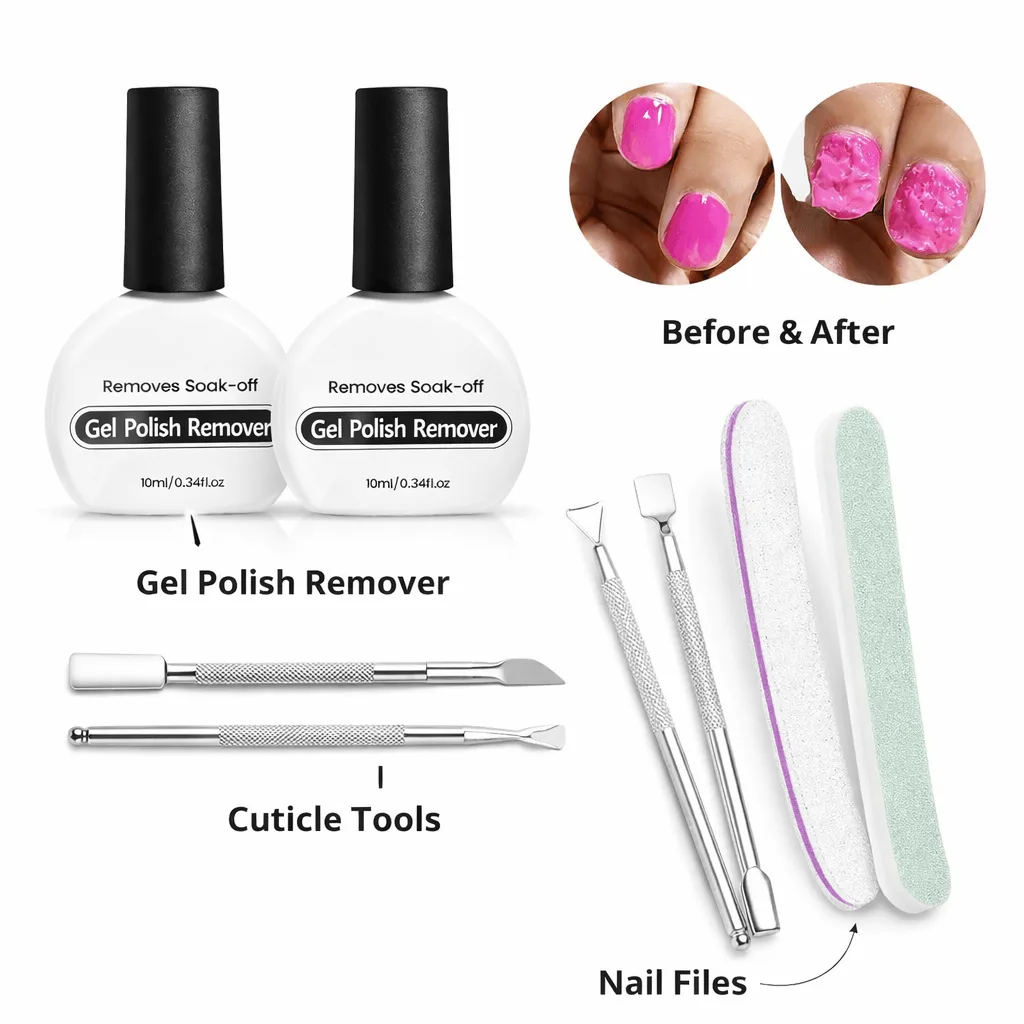
To remove gel nails at home, essential tools include acetone, cotton balls, aluminum foil, a nail file, a buffer, a cuticle pusher, and nourishing oil. These items facilitate the safe and effective breakdown and removal of gel polish. Successfully removing gel nails at home requires a specific set of tools for each stage of the process, from initial filing to post-removal care. Each tool plays a vital role in protecting natural nails and ensuring a smooth removal experience. It also minimizes potential damage and keeps nails healthy.
What is the Easiest Way to Remove Gel Nails at Home?
The easiest way to remove gel nails at home involves the acetone soak-off method. This method effectively breaks down gel polish for gentle removal. It is widely considered straightforward and accessible, requiring minimal skill and readily available tools.
Pre-filing the topcoat enhances efficiency, allowing acetone to penetrate more effectively. Ensuring cotton balls are thoroughly saturated and properly secured prevents premature evaporation. Patience is essential to allow the gel to soften completely, preventing the need for forceful scraping and safeguarding nail health. Selecting high-quality acetone and nourishing oils post-removal also contributes to an easy and safe experience.
Can You Remove Gel Nails Without Acetone?
Yes, you can remove gel nails without acetone using alternative methods like careful filing, steaming, or peel-off base coats. These methods cater to individuals with acetone sensitivities or those seeking less harsh alternatives. Acetone-free removal preserves nail health by avoiding harsh chemicals. The effectiveness and safety of each method vary, requiring specific techniques and precautions to prevent damage. Choosing an acetone-free option depends on personal preference and nail condition. While these methods offer benefits, they often demand more time and precision than acetone-based removal. Alternatively, a steam-off gel remover effectively breaks down the gel without direct acetone contact. For filing, carefully buffing off layers minimizes harm, while peel-off base coats offer the gentlest removal for suitable gel types.
Is It Bad to Remove Gel Nails at Home?
Removing gel nails at home can be detrimental if improper techniques and products are used, leading to nail damage, thinning, and potential infections. This risk arises primarily from aggressive filing, forceful peeling, or prolonged exposure to harsh chemicals. Proper home removal mitigates these risks by prioritizing gentle methods and aftercare.
Maintaining nail health requires careful preparation, precise application of removal agents, and consistent post-removal nourishment to prevent long-term damage. Professional removal at a salon minimizes these risks through expert techniques and specialized products. Neglecting proper aftercare, such as moisturizing and strengthening treatments, further compromises nail integrity. Warning signs like persistent pain, redness, or swelling indicate the need for professional medical attention. Best practices include using high-quality acetone, protecting surrounding skin, and giving nails time to recover between gel applications.
How Do Different Gel Nail Formulas Influence Removal Methods?
Different gel nail formulas necessitate varied removal methods, influencing the techniques, products, and duration required for effective and safe removal. Understanding the specific gel type before attempting removal prevents damage and ensures an efficient process. The chemical composition of gel polishes dictates how they respond to removal agents, making identification crucial for selecting the appropriate approach.
What Are the Key Differences Between Hard Gel and Soft Gel Removal?
Hard gel and soft gel removal differ significantly, with hard gels typically requiring filing and soft gels being removable by soaking in acetone. This distinction arises from their chemical compositions and curing processes. Understanding these differences prevents nail damage and ensures an efficient removal process, particularly for at-home removers. Identifying the gel type is crucial for applying the correct method, as attempting to soak off hard gel or aggressively file soft gel can compromise natural nail health. Hard gels form a rigid, non-porous layer that acetone cannot penetrate, necessitating mechanical removal through careful filing. In contrast, soft gels, often referred to as soak-off gels, have a more permeable structure that allows acetone to dissolve the polish. This difference impacts the tools needed, the time invested, and the potential for damage to the natural nail. For hard gel removal, a coarse nail file or e-file is essential, while soft gel removal primarily requires acetone, cotton balls, and foil. When unsure about the gel type, seeking professional help, especially for hard gel removal, minimizes risks. Both methods require gentle handling and proper technique to protect the natural nail from thinning or weakening.
Conclusion
Removing gel nails at home safely and effectively is achievable with the right tools and techniques, primarily through the acetone soak-off method after filing the topcoat. While alternative, acetone-free methods like careful filing or steaming exist, proper preparation and aftercare are crucial to protect natural nails from damage. Understanding the difference between hard and soft gels is also vital for successful removal, as incorrect methods can lead to thinning or weakening. Always prioritize gentle handling and nourishing post-removal care to maintain nail health.