You can safely remove gel nail polish at home by soaking cotton balls in acetone, wrapping them in foil around each nail for 10-15 minutes. This method effectively breaks down the gel for easy removal. To remove gel nail polish quickly at home, gently buff the topcoat before soaking to allow the acetone to penetrate faster. This small step significantly reduces removal time. You can remove gel nail polish without acetone by using a peel-off base coat or specific gel polish removers formulated without acetone. These alternatives protect your nails from harsh chemicals. After gel polish removal, restore nails to their normal state by moisturizing with cuticle oil and strengthening with a nail hardener. This helps repair and protect your nails. This guide outlines safe and effective methods for at-home gel nail polish removal, preparing you for the detailed steps ahead.
How Can You Safely Remove Gel Nail Polish at Home?
You can safely remove gel nail polish at home by following a multi-step process that involves gentle buffing, acetone soaking, and proper aftercare. This approach minimizes damage to your natural nails while effectively dissolving the gel. This guide will elaborate on the step-by-step procedure for achieving salon-quality gel polish removal in the comfort of your home, ensuring a smooth and safe experience.
Is Acetone Necessary for Removing Gel Nail Polish? Acetone is the most common and effective method for removing gel nail polish, though not strictly necessary. While acetone-based solutions efficiently break down gel polish, alternative methods and products exist for those who prefer to avoid it. These options provide different approaches to dissolving or lifting the gel, catering to various nail care preferences and sensitivities. Some gel polishes feature peel-off base coats, allowing for removal without any chemical solvents. Additionally, specialized acetone-free gel polish removers use alternative solvents to achieve similar results, often requiring a longer soaking time or additional buffing.
Essential Tools and Products for At-Home Gel Removal
Effective at-home gel removal requires specific tools and products, including acetone, cotton balls, foil, a nail file or buffer, and cuticle oil. These items facilitate the safe and complete dissolution and removal of gel polish while minimizing damage to the natural nail. Understanding the function of each product ensures a smooth and successful removal process, leading to healthy nails post-removal.
What is the Best Method for Soaking Off Gel Polish?
The most effective method for soaking off gel polish involves using acetone-soaked cotton balls secured with foil wraps on each nail for 10-15 minutes, allowing the gel to soften and lift. This targeted approach ensures the acetone directly contacts the gel polish, promoting efficient and safe removal. Properly executed, this technique minimizes exposure to harsh chemicals and protects the surrounding skin and nails from unnecessary damage. Following the soaking period, the softened gel can be gently pushed off the nail without excessive force, preventing harm to the natural nail plate. This method is widely recognized for its effectiveness in breaking down the gel’s bond to the nail.
How to Quickly Remove Gel Nail Polish at Home
To remove gel nail polish quickly at home, gently buff the topcoat before soaking in acetone, allowing for faster penetration and reduced removal time. This acceleration minimizes the overall exposure time to acetone while still ensuring thorough dissolution of the gel. Speeding up gel nail polish removal involves several techniques focused on enhancing acetone’s effectiveness and careful preparation, ultimately leading to a more efficient process without compromising nail health.
Does Heat Help Accelerate Gel Nail Polish Removal?
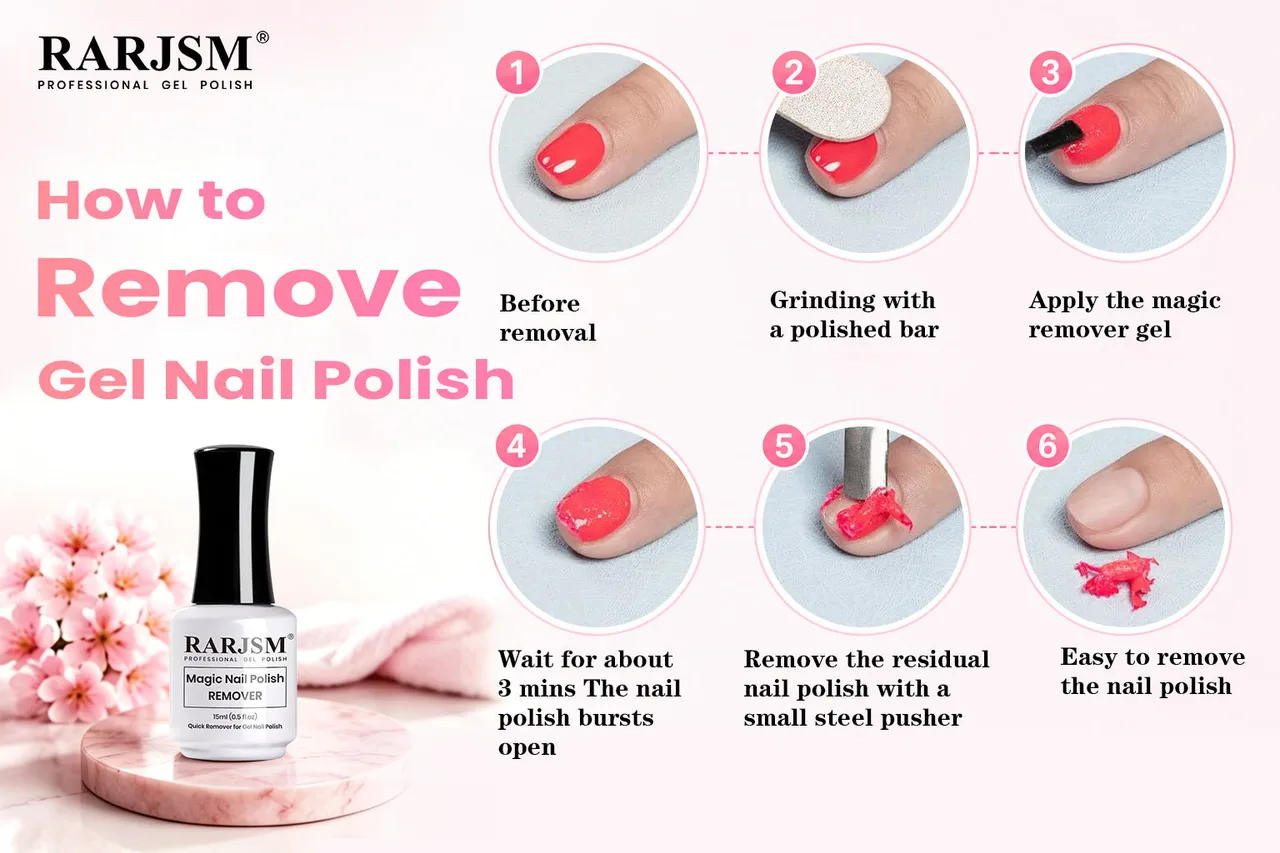
No, heat does not significantly accelerate gel nail polish removal, though a warm water bath can mildly enhance acetone penetration. While some suggest warmth expedites the process, excessive heat poses risks to nail health and skin. The primary factor in efficient gel removal remains the sustained contact of acetone with the gel polish. A slightly elevated temperature can facilitate the chemical reaction, but drastic heat application offers minimal additional benefit and increases the likelihood of dehydration or irritation to the nail plate and surrounding cuticle area. Maintaining a consistent, moderate temperature during soaking is key, not extreme heat.
How to Remove Gel Nail Polish Without Acetone?
You can remove gel nail polish without acetone using alternative methods like peel-off base coats or specialized acetone-free removers. These options offer gentler approaches to dissolving or lifting the gel from the nail surface. Exploring these methods provides alternatives for individuals with sensitivities to acetone or those seeking less harsh chemical treatments for their nails.
Can You Peel Off Gel Nail Polish Without Damage?

No, you cannot safely peel off gel nail polish without causing potential damage to your natural nails. This method risks stripping away layers of your nail plate, leading to thinning, weakness, and breakage. While seemingly convenient, peeling gel polish forcibly removes not only the polish but also parts of your natural nail, making them more susceptible to damage. This can result in a compromised nail surface, making it difficult for future polish applications to adhere properly and increasing the likelihood of infections.
What Are Acetone-Free Gel Polish Removers? How Do They Work?
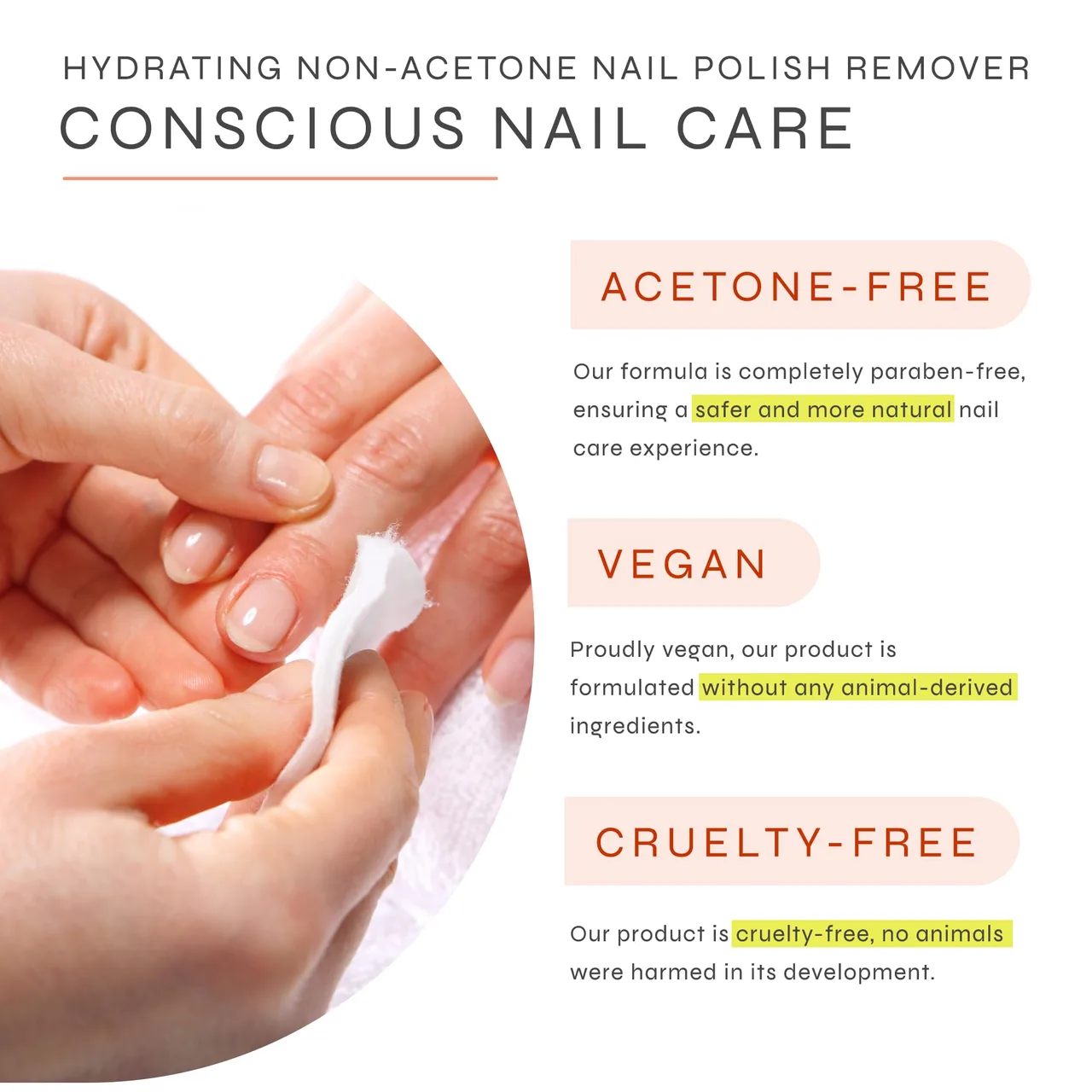
Acetone-free gel polish removers are formulations that use alternative solvents, such as ethyl acetate or isopropyl alcohol, to dissolve gel polish without the harsh effects of acetone. These removers provide a gentler option for individuals with sensitive skin or brittle nails. They work by penetrating the gel polish layers and breaking down its chemical bonds, allowing the polish to soften and be gently removed from the nail surface. This process typically requires a longer soaking time compared to acetone-based methods. The effectiveness of acetone-free removers varies depending on the specific formulation and the type of gel polish being removed.
How to Restore Nail Health After Gel Polish Removal
You restore nail health after gel polish removal by consistently moisturizing, strengthening, and protecting them from further damage. This comprehensive approach rejuvenates and strengthens nails, promoting their natural recovery. Proper aftercare is crucial for repairing potential damage and maintaining overall nail health.
What Are the Best Treatments for Damaged Nails Post-Gel Removal?
Effective treatments for damaged nails post-gel removal include cuticle oils, nail strengtheners, and consistent moisturizing to restore health and prevent further damage. These treatments target specific issues such as dryness, brittleness, and weakness, promoting the natural repair process of the nail. After gel polish removal, nails often experience dehydration and a compromised structure, making proper aftercare essential. Utilizing a combination of nourishing oils and strengthening formulas addresses these concerns, helping to rebuild the nail’s resilience and improve its overall appearance.
How Long to Wait Between Gel Manicures?
You should wait approximately 2-3 weeks between gel manicures to allow your natural nails to recover and prevent damage. This waiting period helps maintain nail health and strength, minimizing issues like thinning or brittleness. Allowing nails to breathe between applications is crucial for their natural recovery process.
What Are Common Misconceptions About Gel Nail Polish Removal?
Common misconceptions regarding gel nail polish removal often lead to improper techniques and potential nail damage. Addressing these myths ensures a safer and more effective removal process, preserving nail health. This section clarifies prevalent misunderstandings to guide users toward correct at-home removal methods.
Do All Gel Polishes Remove in the Same Way?
No, not all gel polishes remove in the same way; removal methods vary significantly based on the gel’s formulation and type. The approach differs primarily between soft gel and hard gel, which require distinct techniques for effective and safe removal. Understanding these variations prevents nail damage and ensures thorough polish dissolution.
Is Filing Off Gel Polish Safe? No, filing off gel polish is not a safe primary removal method and poses significant risks to natural nail health. This technique can thin the nail plate, leading to weakness, damage, and increased susceptibility to infection. Improper filing removes not only the gel but also layers of the natural nail, compromising its integrity. The process of filing off gel polish often involves aggressive abrasion, which can cause irreparable damage to the nail bed and surrounding cuticles. This method can also create uneven surfaces, making future polish applications challenging and increasing the likelihood of lifting or chipping. For these reasons, filing off gel polish as the sole removal technique is strongly discouraged.
Conclusion
Removing gel nail polish at home is achievable with gentle buffing, acetone soaking, and essential aftercare. While acetone is effective, alternatives exist. Prioritizing nail health post-removal ensures strong, beautiful nails.