Removing gel nail polish at home safely and effectively involves gentle filing, acetone soaking, and careful lifting. This process minimizes damage to natural nails.
Professional salons typically remove gel nail polish by filing the top coat, soaking nails in acetone, and gently pushing off the softened gel. This method ensures thorough and safe removal at salons.
Regular nail polish remover, containing ethyl acetate or butyl acetate, cannot effectively remove gel nail polish. Gel polish requires pure acetone for proper dissolution.
To understand the detailed steps for at-home removal and how Profile The Chain of Salons approaches this service, continue reading our comprehensive guide.
How to Remove Gel Nail Polish at Home Safely and Effectively?
Removing gel nail polish safely and effectively at home involves preparation, soaking, gentle removal, and proper aftercare. This multi-step process minimizes nail damage and ensures thorough gel polish dissolution without compromising nail health. Achieving professional-level results requires attention to detail and adherence to specific techniques for each stage.
What Tools and Materials Are Essential for At-Home Gel Nail Polish Removal?
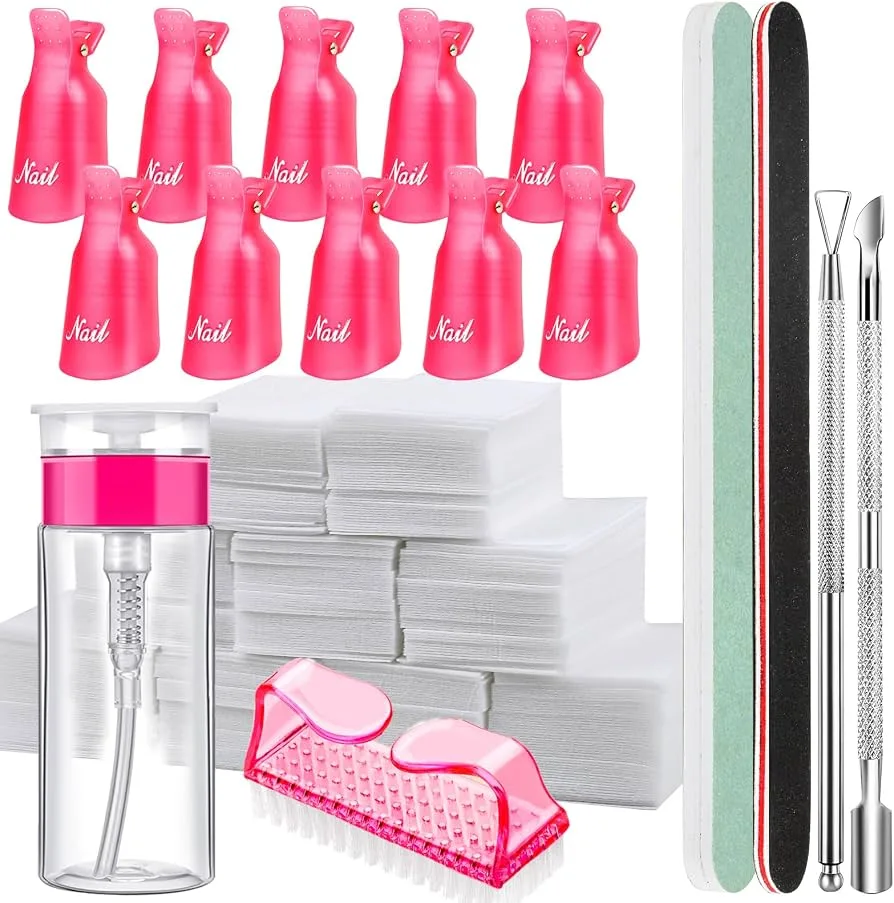
Essential tools and materials for at-home gel nail polish removal include cotton balls, aluminum foil, 100% pure acetone, a cuticle pusher, and a nail file. These items are crucial for safely dissolving and removing gel polish without damaging natural nails. To effectively remove gel nail polish at home, preparing these specific tools and materials ensures a smooth and efficient process. Each item plays a distinct role in the removal procedure, from preparing the nail surface to the final stages of polish detachment.
What is the Step-by-Step Process for Soaking Off Gel Nail Polish?
The step-by-step process for soaking off gel nail polish involves filing, acetone application, foil wrapping, and adequate soak time. This method ensures the gel polish softens and detaches from the natural nail effectively. To properly execute the soak-off method, each stage requires careful attention for optimal results and to prevent nail damage.
The detailed steps for the soaking process include:
- Filing the top coat: Gently buff the shiny top layer of the gel polish with a nail file until the shine is completely removed. This creates a porous surface for the acetone.
- Applying acetone: Saturate a cotton ball with 100% pure acetone and place it directly over the entire nail surface.
- Wrapping nails: Securely wrap each nail, with the acetone-soaked cotton ball, in a small piece of aluminum foil. This seals in the acetone and heat, aiding in the dissolution process.
- Monitoring soak time: Allow nails to soak for According to Polish Pops, standard gel polish requires about 10-15 minutes of soaking per nail. Builder gel, glitter gel, and harder polishes may need 20-25 minutes. or longer for stubborn polish. Periodically check the gel for softening; it should appear lifted and bubbly.
How to Gently Remove Loosened Gel Polish Without Nail Damage
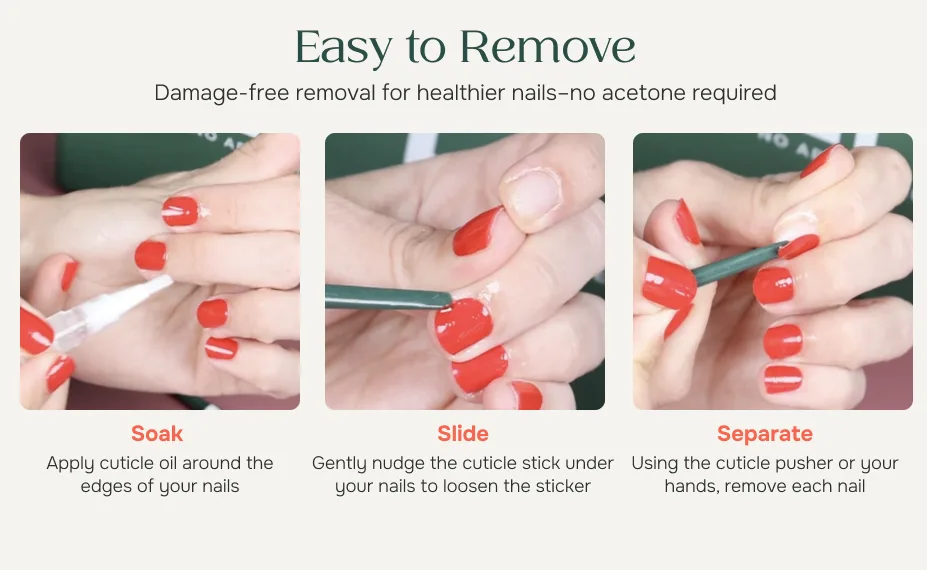
Gently removing loosened gel polish without damaging nails involves using a cuticle pusher to lift the softened gel, avoiding harsh scraping, and re-soaking if resistance occurs. This methodical approach safeguards the natural nail underneath. When the gel polish has sufficiently softened, careful techniques ensure its detachment without causing harm to the nail plate or cuticle. Maintaining patience throughout the removal process is crucial for optimal results and to prevent any potential damage.
What Are the Crucial Aftercare Steps Following Gel Nail Polish Removal?
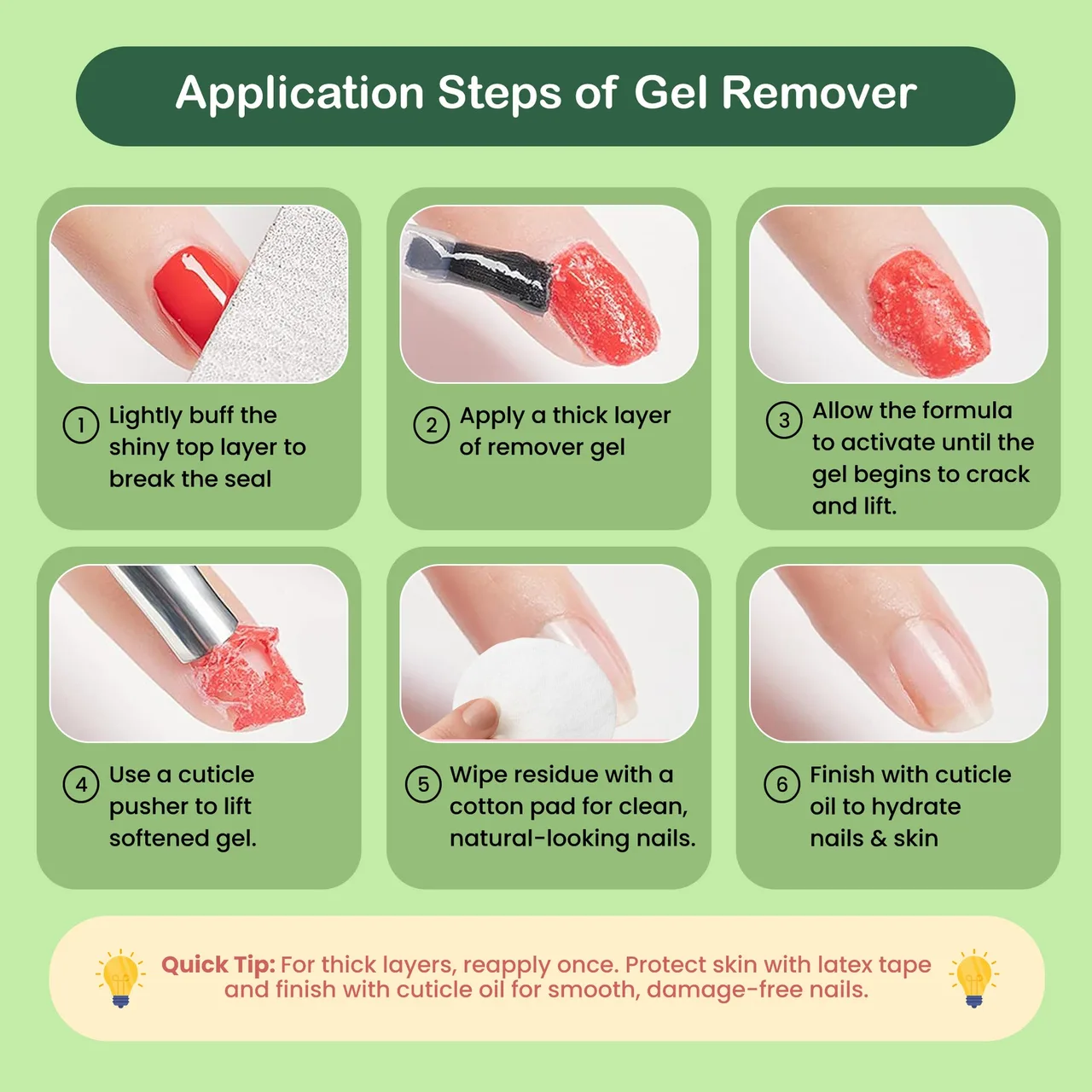
After gel nail polish removal, crucial aftercare steps involve hydrating and strengthening nails to prevent damage and promote health. This post-removal care minimizes brittleness and encourages natural nail recovery. Proper attention to these steps ensures the nails remain strong and healthy after the gel polish is gone. Maintaining nail health after removal involves a consistent routine. Post-removal steps include: * Nourishing cuticles: Apply cuticle oil daily to rehydrate the skin around the nails, preventing dryness and cracking. * Moisturizing nails: Use a rich hand cream or nail strengthener regularly to replenish moisture in the nail plate. * Avoiding harsh chemicals: Protect nails from strong cleaning products by wearing gloves to prevent further weakening. * Taking a break: Allow nails to breathe between gel applications, ideally for To allow nails to recover, it is recommended to take a break of at least 1-2 weeks between gel manicures, according to Lao Dong., to support natural growth and repair.
How Do Professional Salons Typically Remove Gel Nail Polish? Professional salons remove gel nail polish by filing the top coat, soaking nails in acetone, and gently pushing off the softened gel. This method ensures thorough and safe removal. Professional removal involves specialized techniques and tools to protect natural nails. This approach often differs from at-home methods, emphasizing precision and minimizing potential damage.
What Methods Do Salons Use for Efficient Gel Nail Polish Removal?
Salons utilize various efficient methods for gel nail polish removal, including specialized soaking baths, steam removal, and careful e-file use, each suited for different gel types and nail conditions. These diverse techniques allow professionals to tailor the removal process, ensuring both effectiveness and the preservation of natural nail health. Understanding the specific approaches employed by salons highlights their commitment to safe and thorough gel polish removal. These methods include:
- Soaking Baths: Nails are soaked in acetone-based solutions to dissolve the gel polish.
- Steam Removal: Specialized machines use steam to gently lift and remove gel polish.
- E-file Use: A professional electric file is used to carefully buff away layers of gel without damaging the natural nail.
Why Is Professional Gel Nail Polish Removal Often Recommended?
Professional gel nail polish removal is recommended due to reduced damage, complete removal, and professional aftercare. This approach ensures nail health and integrity throughout the process. Professional removal offers distinct advantages over at-home methods, prioritizing safety and effectiveness for clients. Experts employ techniques that minimize trauma to the natural nail. The benefits of professional removal include: * Reduced risk of damage: Trained technicians use gentle methods and appropriate tools, preventing excessive filing or harsh scraping that damages nail plates. * Complete removal: Salons utilize pure acetone and proper soaking techniques to ensure all gel polish is thoroughly dissolved and removed, avoiding residue. * Professional aftercare: Technicians often provide expert advice and high-quality products for post-removal nail hydration and strengthening, promoting optimal nail health.
Can Regular Nail Polish Remover Remove Gel Polish?
No, regular nail polish remover cannot effectively remove gel nail polish due to fundamental chemical differences, as gel polish requires pure acetone for proper dissolution. This distinction highlights the need for specific products to ensure thorough and safe gel polish removal. Understanding these chemical variations is crucial for choosing the correct removal method and preventing nail damage.
What Is the Key Difference Between Regular Nail Polish Remover and Acetone for Gel Removal?
The primary distinction between regular nail polish remover and acetone for gel removal lies in their chemical composition. Acetone is specifically formulated to break down the strong polymers in gel polish. Regular removers contain solvents like ethyl acetate or butyl acetate, which are effective for traditional lacquers but cannot dissolve gel formulas. This chemical distinction dictates the efficacy of each product in removing nail coatings.
What Are Common Misconceptions About Gel Nail Polish Removal?
Common misconceptions about gel nail polish removal relate to damage, professional necessity, and non-acetone removers. These misunderstandings can lead to improper removal techniques and potential nail health issues. Addressing these prevalent myths clarifies the correct procedures for safe and effective gel polish removal.
Is Peeling or Prying Off Gel Polish a Safe Removal Method? Does it Cause Damage?
No, peeling or prying off gel polish is not a safe removal method, as it significantly damages the natural nail plate, leading to thinning, breakage, and weakening. This aggressive approach forcibly separates the gel from the nail, often tearing off layers of the natural nail along with it. The dangers associated with peeling or prying off gel polish include severe nail damage, increased brittleness, and potential infection due to compromised nail integrity. Such actions can strip away the protective top layers of the nail, making it more susceptible to environmental damage and fungal growth.
Conclusion
Effectively removing gel nail polish, whether at home or in a salon, requires understanding the correct procedures and essential tools. This involves gentle filing, pure acetone soaking, and careful removal to protect natural nails. While home removal is feasible with proper aftercare, professional services offer advantages like reduced damage risk and comprehensive removal. Avoiding common misconceptions, such as peeling off polish or using regular removers, is crucial for maintaining nail health and achieving a safe, complete removal.