To safely remove gel nails at home, a meticulous process involving soaking nails in acetone or using the foil method is essential to protect natural nails from damage. This process requires careful attention to protect your natural nails from damage. Follow detailed steps for a successful removal.
The easiest way to remove gel nail polish at home is often considered the acetone soak-off method. This technique effectively breaks down the gel, allowing for gentle removal without excessive scraping.
Safe gel nail removal methods for home use prioritize nail health by avoiding harsh tools and excessive force. Proper hydration and gentle handling are crucial for maintaining nail integrity.
Discovering the easiest and safest methods for gel nail removal at home is essential for maintaining healthy nails. These techniques ensure your nails remain strong and beautiful.
What Is the Easiest Way to Remove Gel Nail Polish at Home?
The easiest way to remove gel nail polish at home involves the acetone soak-off method, which effectively breaks down the gel for gentle removal. This process requires minimal specialized tools, making it highly accessible for at-home application. Focusing on this simple technique helps maintain nail health while ensuring successful gel polish removal.
How Do You Prepare Your Nails for At-Home Gel Removal?
Preparing your nails for at-home gel removal involves filing the top coat and protecting the surrounding skin and cuticles. This careful preparation ensures a smoother and safer removal process, minimizing damage to natural nails. Proper nail preparation creates a protective barrier for skin and cuticles against acetone exposure, which is crucial for maintaining nail health. This process also helps the acetone penetrate the gel more effectively for easier removal.
What Are the Steps for Soaking Off Gel Polish at Home?
The steps for soaking off gel polish at home involve filing the top coat, soaking nails in acetone, and gently removing the softened gel. This method effectively dissolves the gel without causing damage to the natural nail. Each step requires careful execution to ensure a thorough and safe removal.
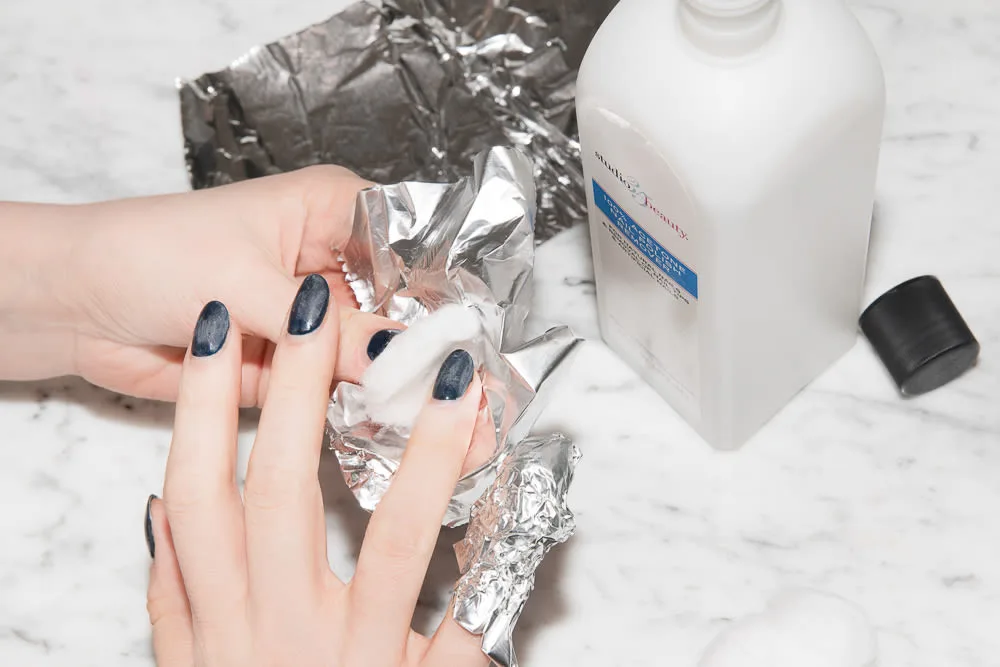
First, gently buff the top layer of your gel polish with a nail file to break the seal. Then, saturate cotton balls with 100% acetone, place them on each nail, and secure them with aluminum foil or nail clips. Allow the nails to soak for 10-15 minutes. After soaking, gently push off the softened gel with a wooden cuticle stick. If the gel remains stiff, you can soak your nails for another 5-10 minutes. This reapplication ensures complete removal without scraping or force.
How Do You Finish the At-Home Gel Nail Removal Process?
Finishing the at-home gel nail removal process involves gently scraping residue, buffing the nail surface, and moisturizing. This comprehensive approach ensures the complete removal of gel polish while promoting nail health. To properly conclude the removal, remove any remaining gel with a wooden cuticle stick. Then, gently buff the nail surface with a fine-grit buffer to smooth out any ridges or rough patches. Finally, apply a nourishing cuticle oil and a rich hand cream to rehydrate the nails and surrounding skin, restoring moisture lost during the acetone exposure.
What Are Safe Gel Nail Removal Methods for Home Use?
Safe gel nail removal methods for home use involve categorizing techniques such as acetone soak-off and non-acetone alternatives, emphasizing damage prevention for natural nails. These methods prioritize gentle approaches to ensure nail health throughout the removal process. Understanding the various options available allows individuals to choose the most suitable technique while maintaining the integrity of their nails.
Is the Acetone Soak-Off Method Safe for At-Home Gel Removal?
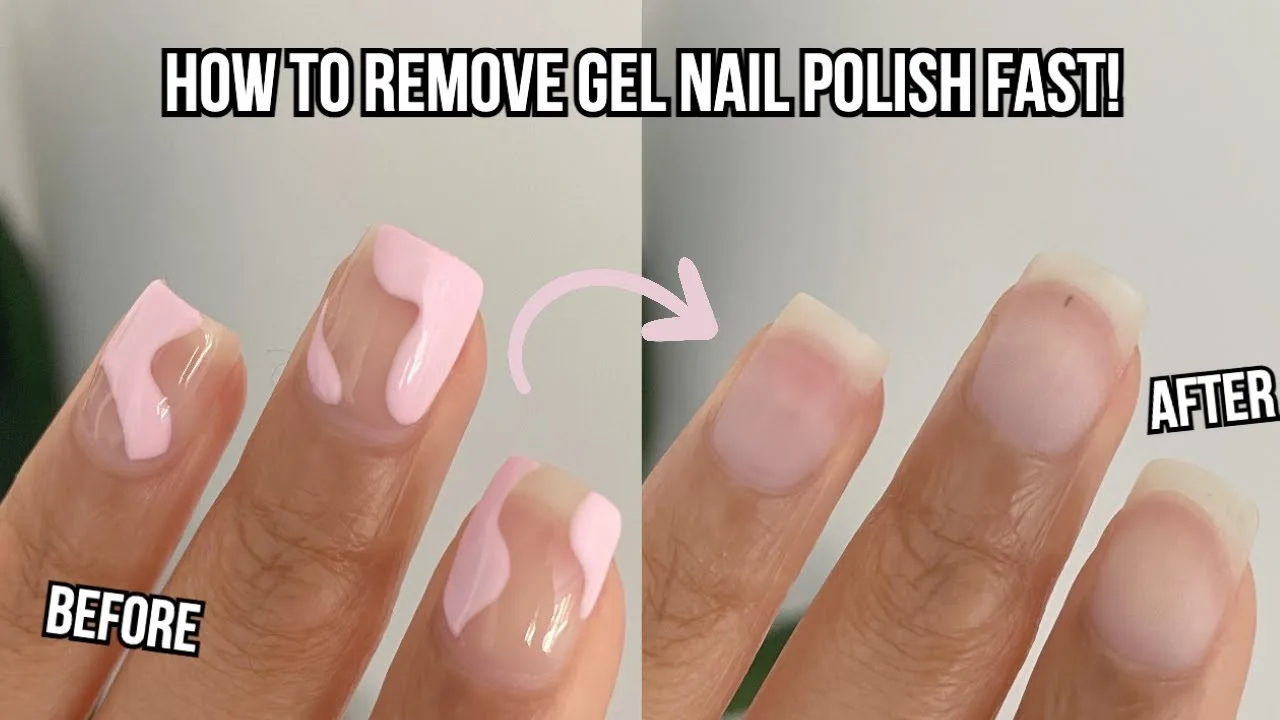
The acetone soak-off method is safe for at-home gel removal when proper precautions and best practices are followed. This method effectively dissolves gel polish with minimal risk to natural nails if used correctly. Proper ventilation, skin protection, and adherence to soaking times are crucial for safe application. Using 100% pure acetone facilitates efficient gel breakdown, preventing the need for excessive force. Individuals should also consider their nail and skin sensitivity before extensive use.
Are Non-Acetone Methods Effective for Removing Gel Nails at Home?
Non-acetone methods are generally less effective for removing gel nails at home compared to acetone, often requiring more time and effort. While gentler on nails and surrounding skin, these alternatives may not fully dissolve gel polish, leading to increased scraping and potential damage. Their effectiveness varies significantly depending on the specific product and gel formula.
How Can You Avoid Damaging Your Nails During At-Home Gel Removal?
Avoiding nail damage during at-home gel removal involves preventing excessive filing, harsh scraping, and improper soaking. This approach safeguards natural nails from weakening and breakage. Careful execution of each step minimizes trauma to the nail bed and cuticle area. Employing proper techniques ensures gel removal does not compromise long-term nail health. Gently buffing the top coat without reaching the natural nail prevents thinning. Using a wooden cuticle stick for softened gel avoids harsh scraping, which damages the nail surface. Adhering to recommended acetone soaking times also prevents over-drying and brittleness.
How Does Gel Nail Removal Differ from Traditional Polish Removal?
Gel nail removal significantly differs from traditional polish removal due to requiring specific solvents and techniques to break down the hardened gel formula. This distinction arises from the chemical composition of gel polish, which cures under UV or LED light, creating a durable bond. Understanding these differences ensures appropriate methods are used for each type of polish, preventing damage to natural nails.
What Unique Tools Are Needed for At-Home Gel Nail Removal?
At-home gel nail removal requires specialized tools like 100% pure acetone, aluminum foil or nail clips, and a wooden cuticle stick, which are distinct from traditional polish removers. These items facilitate the safe and effective dissolution and gentle removal of gel polish. Unlike traditional polish, which typically requires only a cotton pad and non-acetone remover, gel nails necessitate specific tools for their resilient formula. This process ensures the gel is properly broken down and removed without damaging the natural nail underneath.
What Are the Long-Term Effects of Improper Gel Nail Removal?
Improper gel nail removal leads to long-term damage such as thinning, brittleness, and potential nail plate separation. These adverse effects arise from aggressive techniques, which compromise the natural nail’s integrity and health. Incorrect removal causes trauma to the nail, impacting its ability to grow strong and healthy. Excessive filing or scraping weakens the nail bed, making it prone to breakage and peeling. This also increases susceptibility to infections, further deteriorating nail health. Such damage often requires an extended period for recovery and regrowth.
Conclusion
Safely removing gel nails at home is achievable with proper techniques, primarily focusing on the acetone soak-off method. This process involves careful preparation, controlled soaking, and gentle aftercare to prevent damage. Adhering to these steps ensures that gel polish is effectively dissolved without compromising the health and integrity of your natural nails, allowing for beautiful, strong nails even after removal.