A gel manicure typically takes between 45 minutes and 1 hour 30 minutes. This duration includes nail preparation, gel polish application, and curing under UV or LED light.
While gel manicures offer durability, they come with potential drawbacks, including the risk of nail damage from improper removal and exposure to UV light. It is crucial to follow professional guidance to minimize these risks.
Gel manicures are suitable for most nail lengths, but very short or severely damaged nails might require specific preparation or alternative solutions. Longer nails can enhance the visual impact and design possibilities of gel polish.
It is recommended to keep gel manicures for approximately 2 to 3 weeks to maintain optimal appearance and nail health. Exceeding this period can lead to lifting, chipping, and potential stress on the natural nail. Learn more about these aspects and what to expect during your gel manicure appointment at Profile The Chain of Salons in the following sections.
How long does a gel manicure application typically take?
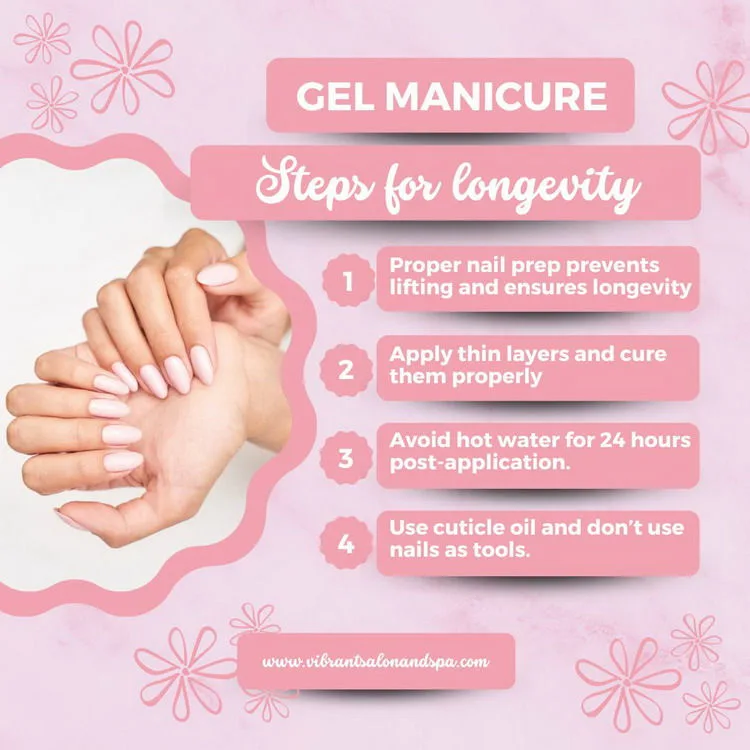
A complete gel manicure application generally takes between 45 minutes and 1 hour and 30 minutes. This timeframe covers all stages, from initial nail preparation to the final curing of the top coat. The overall duration of a gel manicure application is influenced by several factors, including the condition of the natural nails, the complexity of the desired design, and the technician’s experience. Efficient application ensures proper adhesion and longevity of the gel polish.
What factors influence the duration of a gel manicure application?
The duration of a gel manicure application is influenced by factors such as the nail technician’s experience, the complexity of the desired nail art, and the condition of the natural nails. Several elements collectively determine how long a gel manicure takes. These factors include the technician’s skill level, the intricacy of the design chosen, and the existing health and length of the client’s nails.
What are the potential drawbacks and disadvantages of gel manicures?

Gel manicures present potential drawbacks, including the risk of nail damage, challenges during the removal process, and a higher cost compared to traditional manicures. These considerations are important for individuals evaluating this nail treatment option. Several factors contribute to the disadvantages associated with gel manicures. The removal process often involves soaking nails in acetone or filing, which can weaken the natural nail plate if not performed correctly. Moreover, the application and curing under UV or LED light expose nails to certain risks. The overall expense for gel manicures is also higher due to specialized products and professional services.
Are gel manicures suitable for short nails?
Yes, gel manicures are suitable for short nails, and they can even enhance their appearance. Gel polish provides a protective layer and a glossy finish that makes short nails look well-groomed and polished. The versatility of gel polish allows for various designs and colors to be applied, regardless of nail length. Furthermore, a gel manicure can contribute to the growth of natural nails by safeguarding them from breakage and external damage, providing an opportunity for them to lengthen over time. This makes gel manicures a beneficial option for those with shorter nails aiming for both style and growth.
What is the recommended maximum duration for keeping gel manicures on?

The recommended maximum duration for keeping gel manicures on is approximately 2 to 3 weeks. This timeframe maintains optimal appearance and nail health. Adhering to this duration prevents issues such as lifting, chipping, and potential stress on the natural nail. Removing gel manicures within this period helps to minimize damage to the nail plate and supports healthier nail growth. Extended wear beyond this period increases the likelihood of moisture trapping, which can foster bacterial or fungal growth under the gel. Regular removal and reapplication also allow for proper assessment of nail health by a professional.
How does ambient temperature affect the curing time of gel polish?
Ambient temperature directly influences the curing time of gel polish, with cooler temperatures potentially extending the overall service duration. This impact stems from the chemical reactions involved in the curing process. In colder environments, the gel polish formula requires a longer exposure to UV or LED light to fully harden. Conversely, warmer temperatures can accelerate this process, potentially reducing the time spent under the curing lamp. Maintaining a stable room temperature within a salon environment helps ensure consistent and efficient gel polish application and curing. Fluctuations can lead to variations in curing time, affecting the final quality and longevity of the manicure.
Conclusion
A gel manicure typically takes between 45 minutes and 1 hour and 30 minutes, encompassing preparation, application, and curing. This duration is influenced by factors such as technician experience, design complexity, and natural nail condition. While suitable for most nail lengths, gel manicures require proper removal to prevent damage and are recommended to be kept for 2 to 3 weeks for optimal nail health. Ambient temperature also plays a role, with cooler environments potentially extending the curing time.