Nail extensions typically last 2-4 weeks, varying by type and aftercare. Proper application and maintenance ensure their durability.
Nail extensions do not inherently damage natural nails when applied and removed correctly by a professional. Poor application or improper removal are primary causes of damage.
The common downsides of getting nail extensions include the time and cost of application and maintenance, and the potential for allergic reactions or infections if not properly cared for. Regular upkeep is essential to mitigate these issues.
For more detailed information on the longevity of various nail extension types, and to address common concerns about damage and downsides, continue reading this comprehensive guide from Profile The Chain of Salons.
How long do various nail extension types typically last?
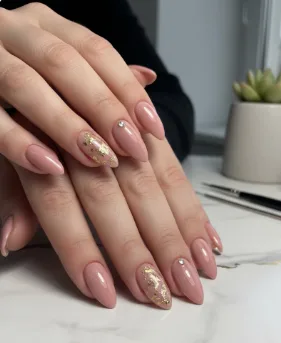
Nail extension durability varies significantly by type, with options like acrylic and gel typically lasting longer than dip powder or silk wraps. This variation depends on the material’s inherent properties and and how well it adheres to the natural nail. Understanding the average lifespan for each type helps manage expectations for wear and maintenance.
Acrylic nails generally offer the most extended wear. They require refills every two to three weeks to maintain them.
Gel extensions follow closely. Gel nails typically endure for 3 to 4 weeks, after which the natural nails will grow out.
Dip powder nails can maintain their finish for several weeks. Silk wraps, being a lighter option, usually last for 1-2 weeks.
Do nail extensions cause damage to natural nails?

Nail extensions do not inherently cause damage to natural nails when applied and removed correctly by a professional. Damage typically occurs due to improper application techniques, forceful removal processes, or inadequate aftercare. Factors such as filing aggressively, incorrect curing, or peeling off extensions can compromise natural nail health. Proper maintenance and professional service are essential to prevent such issues.
What are the common downsides of getting nail extensions?
The common downsides of getting nail extensions include significant time and cost. Application and maintenance require regular salon visits for fills or reapplication, adding to ongoing expenses.
There is also the potential for allergic reactions or infections. Some individuals experience sensitivities to chemicals used in extension products. Improper care or unsanitary conditions increase the risk of fungal or bacterial infections.
Which nail extension types offer the longest lasting results?
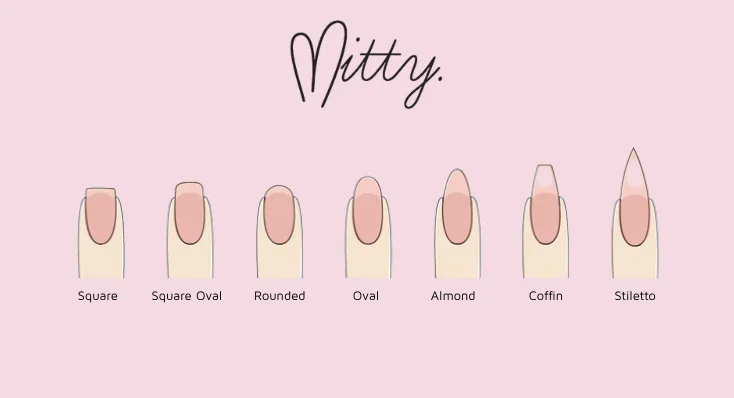
Choosing the right nail extension type is crucial for individual preferences and lifestyle. Comparing the typical wear time for each option highlights materials that provide greater resistance to daily wear and tear.
- Acrylic nails last several weeks before requiring a fill or reapplication. They are known for their strength and durability.
- Gel extensions also provide significant durability, typically enduring for around 3 weeks.
- Dip powder nails can maintain their finish for several weeks, typically lasting around 2-3 weeks.
- Silk wraps are the shortest-lasting option, usually requiring replacement after 1-2 weeks.
How does personal nail care impact the longevity of nail extensions?
Proper personal nail care significantly extends the longevity of nail extensions by reinforcing their adhesion and protecting them from everyday wear. This involves consistent moisturizing and diligently avoiding harsh chemicals, which compromise the integrity of the extension materials.
Maintaining nail extensions through careful daily habits ensures their finish and structure remain intact for an extended period. Regular application of cuticle oil and gentle handling prevent lifting and chipping. The use of gloves during cleaning tasks also safeguards the extensions from damaging substances.
Conclusion
Understanding the durability of various nail extension types, such as acrylics and gels lasting 3-4 weeks, or dip powder and silk wraps for 1-3 weeks, is key to managing expectations. While extensions do not inherently cause damage when professionally applied and removed, personal aftercare significantly impacts their longevity. Common downsides primarily involve the time and cost of upkeep, alongside potential allergic reactions or infections without proper hygiene, all of which are mitigated by consistent maintenance and professional service.