Gel nail polish can be safely and easily removed at home using the right techniques. This guide explores effective methods to erase gel polish without damaging your natural nails.
For detailed instructions and expert tips on safely removing gel nail polish at home, continue reading our guide, brought to you by Profile The Chain of Salons.
How Can You Erase Gel Nail Polish Safely at Home?
You can erase gel nail polish safely at home by following a step-by-step acetone-based removal process, ensuring complete and damage-free results. This method focuses on gentle techniques to protect natural nails throughout the removal process. Understanding how to properly erase gel polish at home involves careful preparation, the correct application of removers, and essential aftercare to maintain nail health.
What Tools and Products Do You Need to Erase Gel Nail Polish at Home?
To erase gel nail polish at home, you need acetone, cotton balls, aluminum foil, a nail file, a buffer, and cuticle oil. These items facilitate the gentle breakdown and removal of gel while protecting your natural nails. Equipping yourself with the right tools and products is crucial for a successful and damage-free gel nail polish removal process at home.
Each item plays a specific role in ensuring the gel polish comes off smoothly without harming your nail beds. The process involves softening the gel, carefully scraping it away, and nourishing your nails afterward. Acetone serves as the primary solvent to dissolve the gel polish effectively by dissolving the amorphous polymer and carrying away the dyes, according to Reddit’s r/askscience. Cotton balls hold the acetone against the nail surface, while aluminum foil secures the cotton in place and traps heat to accelerate the dissolving process. A nail file helps to gently break the top seal of the gel, and a buffer smooths out any remaining residue. Cuticle oil provides essential hydration and nourishment to the nails and cuticles post-removal, helping to prevent brittleness, dryness, and breakage, according to Jasmine Vietnam.
What Are the Steps to Erase Gel Nail Polish Using the Soaking Method?

To erase gel nail polish using the soaking method, carefully file the top coat, apply acetone-soaked cotton to each nail, wrap with foil, and allow it to soak for 10-15 minutes. This process effectively dissolves the gel, preparing it for gentle removal without scraping. Implementing the acetone soak-off method involves several key steps that ensure the complete and damage-free dissolution of gel polish while protecting both your skin and natural nails. The primary goal is to completely break down the polish so it can be wiped away easily, preventing any need for harsh scraping that could harm the nail bed. This approach prioritizes nail health by minimizing physical trauma during removal.
How Do You Erase Gel Nail Polish Without Damaging Your Natural Nails?
You erase gel nail polish without damaging your natural nails by avoiding peeling or prying, proper filing, and moisturizing. These practices protect the nail bed and surrounding skin during the removal process. Preventing damage to natural nails during gel polish removal involves careful adherence to established techniques that prioritize the integrity of the nail plate. This includes understanding the delicate balance between effective gel dissolution and preserving nail health.
What Are the Least Harmful Ways to Erase Gel Nail Polish?
The least harmful ways to erase gel nail polish involve methods that prioritize gentle dissolution and nail protection, such as the foil wrap acetone soak and acetone-free alternatives. These approaches minimize trauma to the natural nail and surrounding skin. Prioritizing gentle techniques for gel polish removal ensures the integrity and health of your natural nails. These methods reduce potential damage, maintaining the strength and appearance of your nails while effectively removing the gel polish.
Is Acetone-Free Remover Effective for Erasing Gel Nail Polish?
Acetone-free gel nail polish removers are less effective for complete ‘erasure’ compared to acetone-based solutions, often requiring more effort and time. While they do dissolve some gel formulations, their primary limitation lies in their inability to fully break down the complex polymers found in most gel polishes. This makes them suitable for specific, less durable gel types or for minor corrections rather than full removal. Acetone-free options typically rely on solvents like ethyl acetate or isopropyl alcohol, which are gentler on nails but significantly slower and less potent at dissolving stubborn gel. These alternatives are better suited for individuals with sensitivities to acetone or those seeking to remove peel-off gel formulas.
What Are the Best Practices for Protecting Your Nails While Erasing Gel Polish?
The best practices for protecting your nails while erasing gel polish include consistent moisturizing, thorough cuticle care, and avoiding aggressive treatments during and after the removal process. These actions safeguard the nail bed and surrounding skin, promoting overall nail health.
Protecting natural nails during gel polish removal involves a mindful approach to each step. This focuses on maintaining hydration and integrity, which prevents common issues like brittleness or peeling. Gentle techniques ensure the gel is removed without compromising the strength and appearance of your nails.
Can You Erase Gel Nail Polish Without Acetone?
Yes, you can erase gel nail polish without acetone by using methods such as peel-off base coats or gentle buffing combined with warm water soaks, though complete removal may be challenging. These alternatives prioritize nail health by avoiding harsh chemicals. While acetone is highly effective at dissolving gel polish, acetone-free options present a gentler approach to removal. These methods are generally less potent than acetone and often require more patience and careful technique to achieve satisfactory results.
How Do Non-Acetone Methods Compare to Acetone for Erasing Gel Nail Polish?
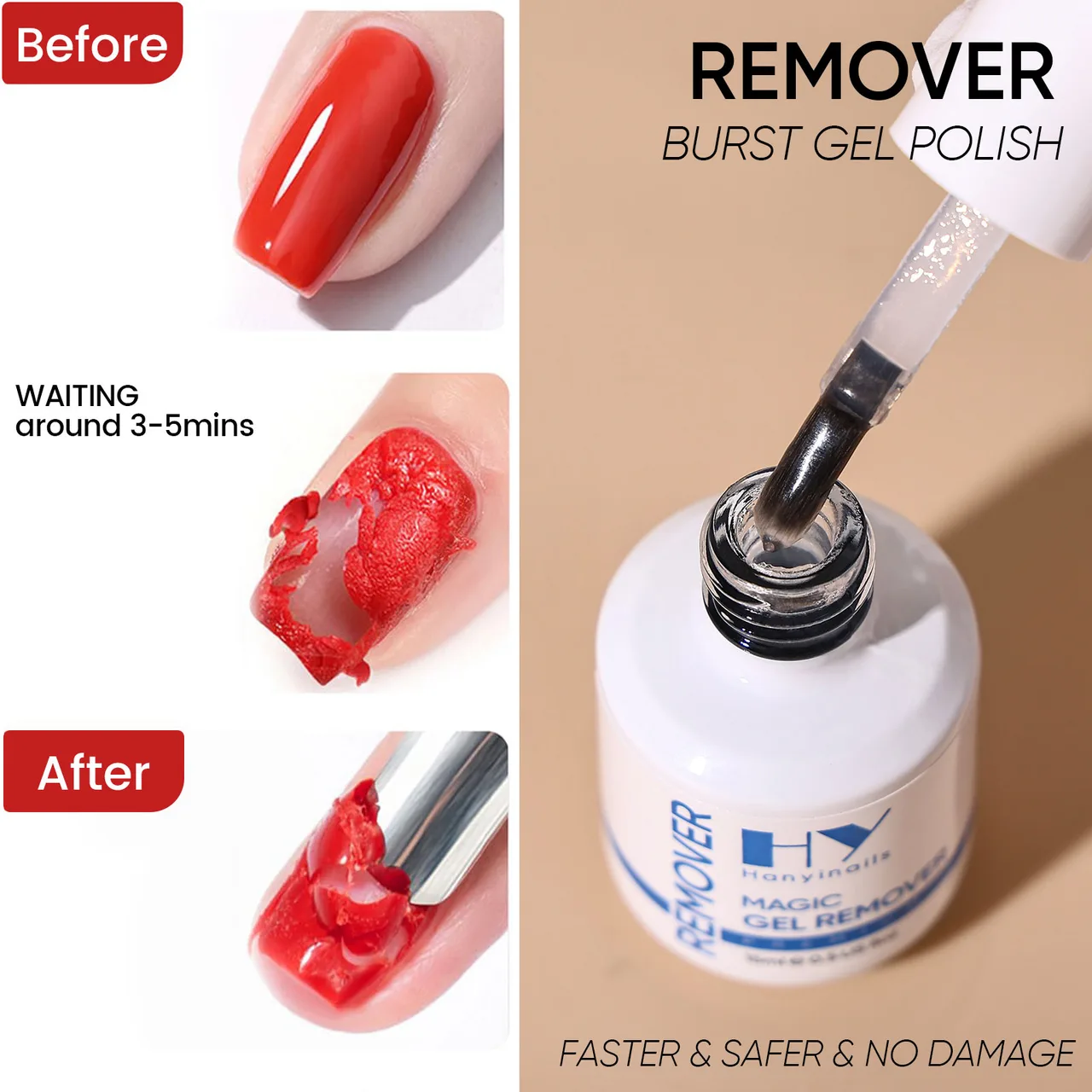
Non-acetone methods are less efficient and thorough than acetone for erasing gel nail polish, often requiring more time and effort for complete removal. Comparing these methods reveals distinct trade-offs in terms of effectiveness, safety, and the overall integrity of the nail post-removal. While both approaches aim to remove gel polish, their mechanisms and resulting impacts on nail health differ significantly. Non-acetone options are generally gentler but struggle with the robust polymer bonds of many gel polishes, leading to incomplete removal or the need for repeated applications. Conversely, acetone rapidly dissolves these bonds, ensuring a cleaner, quicker removal process.
What Are Common Misconceptions About Erasing Gel Nail Polish Without Acetone?
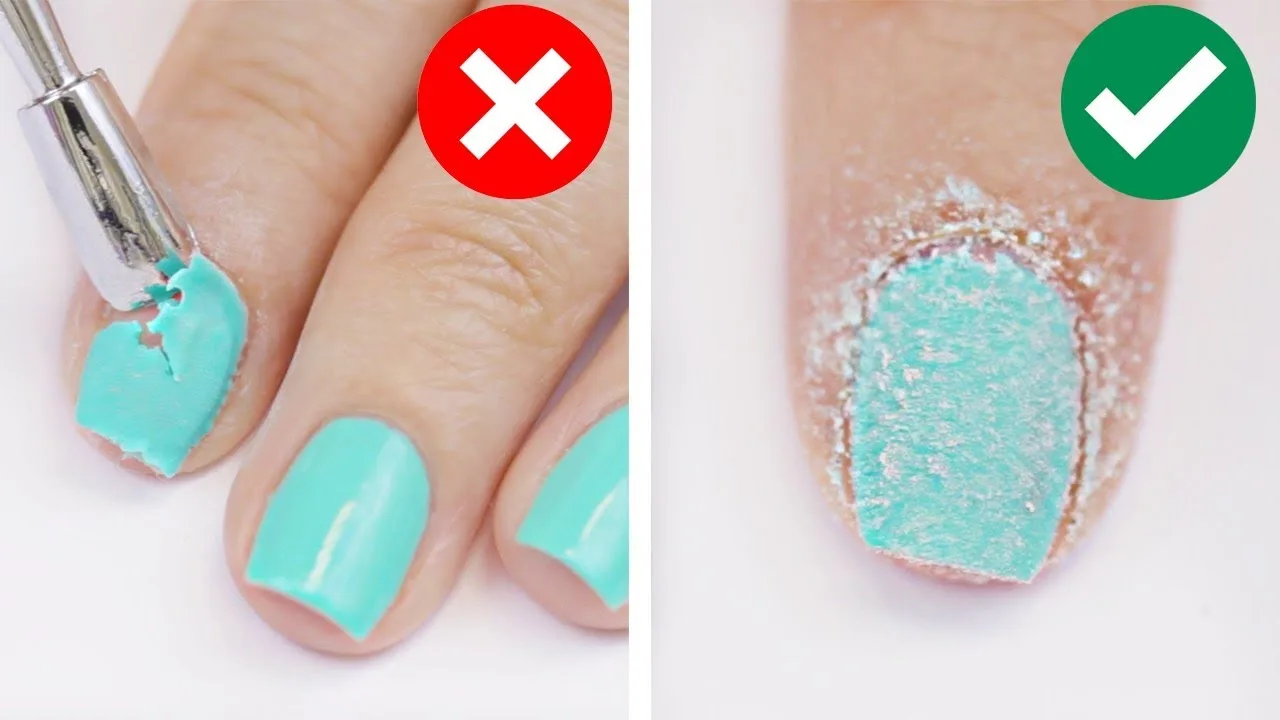
Common misconceptions about erasing gel nail polish without acetone include believing these methods offer complete removal and are entirely damage-free. These misunderstandings often lead to unrealistic expectations regarding their effectiveness compared to acetone-based solutions. Addressing these popular myths helps clarify the true capabilities and limitations of non-acetone gel polish removal, especially regarding their ability to truly ‘erase’ the polish effectively.
Many believe that acetone-free removers fully dissolve gel polish, similar to acetone. However, they primarily soften the gel, requiring more manual effort and potentially incomplete removal. Another misconception is that these methods are always gentler and completely prevent nail damage; improper technique, even with non-acetone products, can still harm the natural nail. Furthermore, some mistakenly think all gel polishes can be removed without acetone, overlooking that many formulations are specifically designed for acetone dissolution.
How Can You Erase Gel Nail Polish Using Household Items?
Erasing gel nail polish using household items is generally not recommended due to the potential for damage to natural nails and incomplete removal. While some items may weaken the polish, they typically do not achieve the complete dissolution and safe removal that acetone provides. Exploring the feasibility of using common household items for gel polish removal often reveals limitations and safety concerns, emphasizing the importance of caution.
Are There Any Safe Household Alternatives to Acetone for Erasing Gel Nail Polish?
There are no safe or effective household alternatives to acetone for completely erasing gel nail polish without potential damage. While some household items may temporarily soften the gel, they do not possess the chemical properties to fully dissolve the complex polymers of gel polish. Evaluating common household items for gel polish removal often highlights their limitations in achieving safe and complete removal, emphasizing the unique efficacy of acetone. Rubbing alcohol or white vinegar, for instance, can slightly loosen the top layer but fail to penetrate and break down the entire gel structure, leading to incomplete removal and the need for harsh scraping that damages natural nails. These items are ineffective for proper gel polish removal.
What Are the Risks of Using Household Items to Erase Gel Nail Polish?
Using household items to erase gel nail polish carries risks such as potential nail damage, skin irritation, and incomplete polish removal. These methods often lack the specific chemical properties needed for safe and effective gel dissolution. Attempting to remove gel nail polish with common household items can lead to various adverse outcomes for your nails and surrounding skin. Without the proper chemical agents found in acetone, household alternatives frequently result in the need for excessive scraping or forceful removal, which compromises the integrity of the natural nail plate. This can manifest as peeling, thinning, or breakage of the nails, alongside irritation or allergic reactions on the skin due to prolonged exposure to unsuitable substances.
What Is the Difference Between ‘Removing’ and ‘Erasing’ Gel Nail Polish?
‘Erasing’ gel nail polish implies a thorough, safe, and residue-free removal, distinguishing it from simply ‘removing’ which can encompass incomplete or damaging methods. This distinction emphasizes the quality and safety of the removal process, ensuring the natural nail remains healthy. Understanding the difference between these terms helps in selecting the correct approach for gel polish, prioritizing the integrity of your nails. The choice of method significantly impacts the final condition of your nail bed and cuticles.
Why Is ‘Erasing’ a More Accurate Term for Complete Gel Polish Removal?
‘Erasing’ is a more accurate term for complete gel polish removal because it emphasizes leaving no trace and fully restoring the natural nail. This term highlights a thorough process that goes beyond merely detaching the polish, focusing instead on its complete dissolution and elimination. ‘Erasing’ conveys the idea of a comprehensive treatment that not only removes the gel but also ensures the nail returns to its original, healthy state without residue or damage. The goal is to achieve a clean slate, unlike ‘removing,’ which can imply a less meticulous or even incomplete process.
How Does Proper ‘Erasing’ Prevent Future Nail Problems?
Proper ‘erasing’ prevents future nail problems by maintaining nail plate integrity and supporting overall nail health. This thorough approach avoids damage, keeping nails strong and resilient. The long-term benefits of completely and safely erasing gel polish include preventing issues like weakening, peeling, and brittleness by preserving the natural nail structure. This careful removal process minimizes trauma, which helps maintain the natural moisture balance and reduces the risk of fungal infections or breakage. Additionally, proper cuticle care during removal contributes to healthy nail growth.
Conclusion
Erasing gel nail polish at home safely involves an acetone-based soaking method, which thoroughly dissolves the gel without damaging natural nails. This process requires essential tools like cotton balls, aluminum foil, and cuticle oil for proper hydration, ensuring a gentle and complete removal. While acetone-free options exist, they are less effective for full gel breakdown, making proper acetone application and aftercare crucial for maintaining nail health and preventing future issues. This careful approach ensures a clean, residue-free result, restoring nails to their natural state.