The easiest and safest way to remove gel nail varnish at home is by soaking your nails in acetone after gently filing the top coat. This process involves protecting your nails and skin while effectively dissolving the polish. For those looking to speed up the process, using a foil wrap method with acetone can significantly accelerate removal. If you’re wondering how to remove gel nail varnish without acetone, alternatives like peel-off base coats or specially formulated non-acetone removers are available. Profile The Chain of Salons emphasizes professional care; therefore, understanding how to remove gel nail varnish at home safely and effectively is crucial. This guide explores various methods to achieve safe and effective gel nail removal at home.
How can you remove gel nail varnish at home safely?
You can safely remove gel nail varnish at home by following a meticulous process to protect natural nails and skin while effectively dissolving the polish. This method minimizes potential damage through careful preparation, controlled soaking, and gentle techniques. Adhering to specific steps ensures nail health during the removal process.
What tools and materials are essential for safe at-home gel nail varnish removal?
Essential tools and materials for safe at-home gel nail varnish removal include acetone, cotton balls, foil, a cuticle pusher, a nail file, and cuticle oil. These items facilitate the proper process of dissolving and gently removing gel polish while minimizing damage to the natural nails and surrounding skin. Proper preparation and application of these materials are crucial for effective and safe removal. Acetone is the primary solvent that breaks down the gel polish. Cotton balls absorb the acetone to deliver it directly to the nail surface. Foil wraps secure the acetone-soaked cotton balls onto each nail, creating a warm, sealed environment that accelerates the dissolving process. A nail file gently abrades the topcoat of the gel polish, allowing the acetone to penetrate more efficiently. A cuticle pusher carefully removes the loosened gel polish without damaging the nail plate. Finally, cuticle oil rehydrates and nourishes the cuticles and nail bed after acetone exposure, restoring moisture and preventing dryness.
What are the common mistakes to avoid when removing gel nail varnish at home?

Common mistakes to avoid when removing gel nail varnish at home include peeling or scraping the polish, inadequate soaking time, and improper nail preparation. These errors lead to significant nail damage, weakening the natural nail plate and causing prolonged recovery. Preventing these mistakes ensures a safer and more effective removal process. Incorrect removal often results in thinning, breakage, or dehydration of the natural nails.
Peeling or scraping forcibly removes layers of the nail along with the gel, leading to severe damage. Insufficient soaking time prevents the acetone from fully dissolving the gel, tempting individuals to resort to damaging physical removal methods. Additionally, neglecting to properly file the top coat before soaking hinders acetone penetration, prolonging the removal process and increasing the risk of damage.
How do you protect your nails and skin during the gel nail varnish removal process?
Protecting nails and skin during gel nail varnish removal involves creating barriers against acetone exposure and employing gentle techniques to prevent physical damage. This safeguard minimizes irritation and preserves the integrity of the natural nail and surrounding skin. Proper preparation and aftercare contribute significantly to a safe removal process. Applying a thick layer of petroleum jelly or cuticle oil around the nail plate before soaking forms a protective barrier, preventing acetone from drying out the skin. Using acetone-soaked cotton balls sized specifically for each nail avoids excessive contact with the surrounding skin. After the gel polish loosens, using a wooden or rubber cuticle pusher carefully removes the softened gel without scraping the nail surface. Finally, thoroughly washing hands and applying a nourishing cuticle oil and hand cream immediately after removal rehydrates and replenishes moisture lost during the process.
What is the easiest way to remove gel nail polish at home?
The easiest way to remove gel nail polish at home is through a streamlined acetone soak-off method, focusing on efficiency and minimizing potential damage to the natural nail. This user-friendly approach simplifies the professional technique, allowing for effective gel removal with proper care. The process involves specific steps to ensure thorough polish dissolution and gentle detachment, making it accessible for at-home application.
Can non-acetone removers effectively remove gel nail varnish?

Non-acetone removers can effectively remove gel nail varnish, but their efficacy often varies compared to acetone-based methods, requiring more time and effort. These alternatives are formulated to dissolve gel polish without the harshness of acetone, offering a gentler option for nail health. However, their effectiveness is generally lower, making the removal process potentially longer and more challenging. Non-acetone removers typically contain solvents like ethyl acetate or propylene carbonate, which are less aggressive than acetone. While they can soften gel polish, the dissolving action is slower, often necessitating extended soaking times or multiple applications. This gentler approach minimizes dehydration to the nails and surrounding skin, appealing to those with sensitive skin or brittle nails. However, the trade-off is often a less thorough and more time-consuming removal, sometimes leaving behind stubborn residue that requires additional physical removal. The ease of use for non-acetone removers is generally lower due to the increased effort and patience required compared to the faster, more potent action of acetone.
How can you remove gel nail polish fast at home?
You can safely expedite gel nail varnish removal at home by employing techniques such as warming acetone and utilizing specialized tools to accelerate the dissolving process while maintaining nail health. These methods aim to reduce the overall removal time without compromising the integrity of the natural nails. Implementing efficient steps ensures a quicker and more effective gel polish removal. Understanding how to apply these techniques safely is essential for a fast at-home process.
Does filing the top coat impact the speed of gel nail varnish removal?
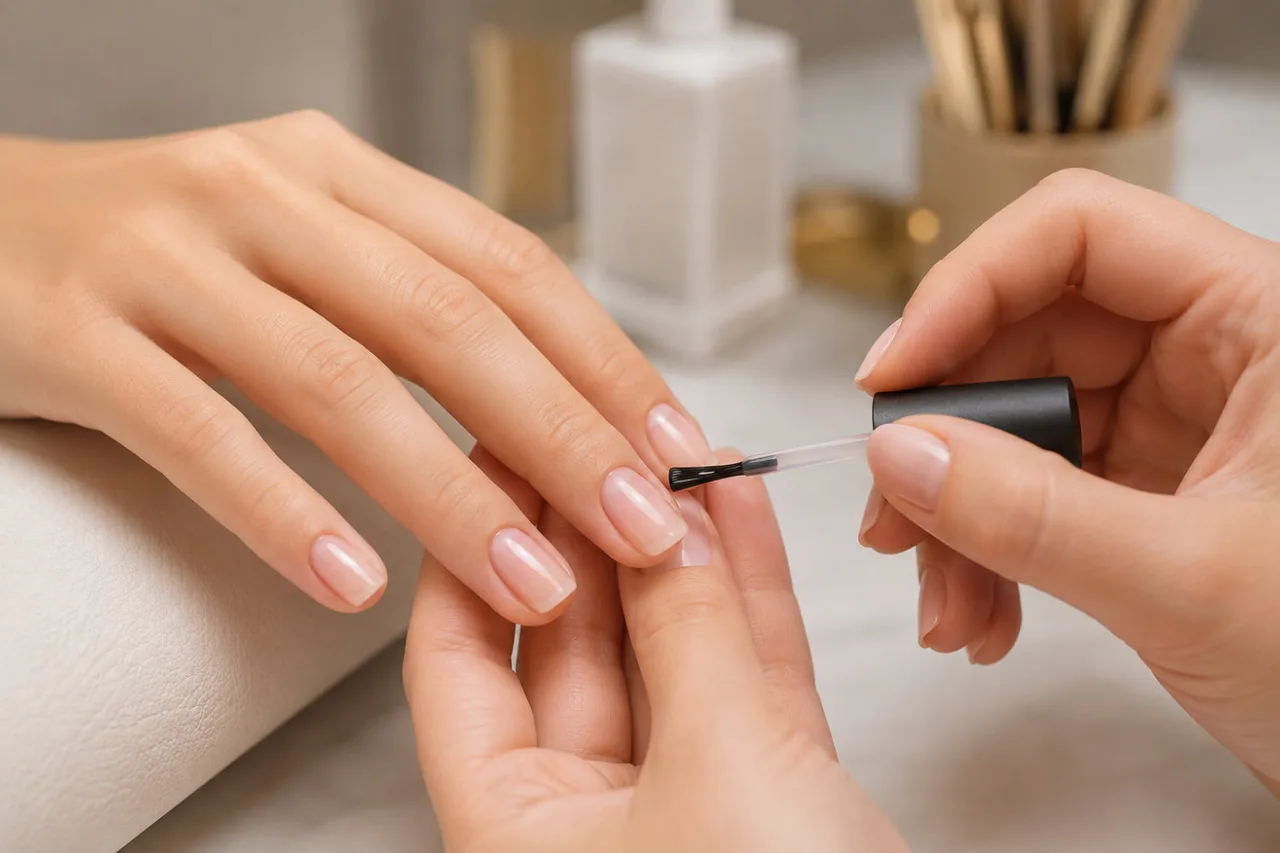
Yes, filing the top coat significantly impacts the speed of gel nail varnish removal by enhancing acetone penetration and reducing soaking time. This crucial preparatory step breaks down the outermost layer of the gel, allowing the solvent to work more efficiently. Expediting gel removal at home relies heavily on this initial abrasion. Filing the top coat creates microscopic channels on the surface of the gel polish. These channels enable acetone to penetrate the gel layers more effectively, initiating the dissolving process from within rather than solely from the surface. Without this step, acetone struggles to break through the resistant top layer, leading to prolonged soaking times and potentially incomplete removal. Proper filing ensures that the acetone can reach and break down the polymer bonds of the gel, thereby accelerating the entire removal process and making it faster and more thorough.
How do you remove gel nail varnish without acetone?
You can remove gel nail varnish without acetone by utilizing gentler alternatives such as peel-off gel base coats, non-acetone removers, or specialized steam-off devices, focusing on minimizing chemical exposure. These methods provide options for individuals seeking to avoid acetone due to sensitivities or a preference for less harsh chemicals. Each approach requires specific application techniques and tools to effectively dissolve or lift the gel polish from the natural nail plate.
For those who prefer to avoid acetone, understanding the available methods and their proper application is crucial for safe and effective gel nail varnish removal at home. These alternatives prioritize nail health by reducing the drying effects commonly associated with acetone, while still achieving polish removal.
Are peel-off gel bases a viable acetone-free removal option?
Yes, peel-off gel bases are a viable acetone-free removal option, working by creating a non-adhesive layer between the natural nail and the gel polish, allowing for easy, gentle lifting without chemical solvents. This method offers a convenient alternative for those seeking to avoid acetone and its associated drying effects. Peel-off gel bases function as a protective barrier, preventing the gel polish from bonding directly to the natural nail. When removal is desired, the gel manicure can be gently peeled or lifted off the nail surface, often with the aid of a cuticle pusher. The primary advantage of this method is the complete avoidance of acetone, which can be harsh and dehydrating to nails and skin. It simplifies the removal process, eliminates the need for soaking, and reduces the risk of nail damage from scraping or filing. However, a notable con is that the longevity of manicures using peel-off bases can be shorter compared to traditional gel applications, as the adhesion is intentionally weaker. This makes them ideal for temporary wear or frequent color changes, but less suitable for those desiring extended durability. The effectiveness also depends on the quality of the peel-off base and the application technique.
Can household items be used to remove gel nail varnish without acetone?
No, common household items are not safe or effective for removing gel nail varnish without acetone, as they lack the necessary chemical properties to dissolve the polish safely.Attempting to use non-specialized items can lead to nail damage, incomplete removal, and potential skin irritation. The structural integrity of gel polish requires specific solvents for proper breakdown. Household items often cited for acetone-free removal, such as rubbing alcohol, hand sanitizer, or vinegar, may not possess the chemical compounds strong enough to break down the polymer bonds in gel nail varnish effectively. These substances may dry out the nails and cuticles without achieving the desired polish removal, prompting individuals to resort to damaging physical scraping. Specialized non-acetone removers or peel-off bases are formulated with specific ingredients that safely interact with the gel polish, ensuring a clean and gentle removal process that protects the natural nail.
What are the long-term effects of frequent at-home gel nail varnish removal on nail health?
Frequent at-home gel nail varnish removal causes cumulative impacts on nail health, including brittleness, thinning, and discoloration over time. This repeated process, especially if not performed meticulously, compromises the natural nail plate’s integrity and hydration. Understanding these long-term consequences is essential for maintaining strong and healthy nails while regularly removing gel polish at home.
What aftercare practices are crucial to maintain nail health after gel nail varnish removal?
Crucial aftercare practices to maintain nail health after gel nail varnish removal include consistent moisturizing, strengthening treatments, and scheduled breaks between manicures. These steps are vital for restoring the nail plate’s integrity and hydration post-removal. Post-removal aftercare focuses on rejuvenating the nails and cuticles compromised by the removal process and acetone exposure. Regular application of cuticle oil and hand cream rehydrates the nail bed and surrounding skin, preventing dryness and brittleness. Incorporating nail strengthening treatments, such as keratin-based formulas, helps rebuild and fortify weakened nails. Additionally, scheduling breaks between gel manicures allows the natural nails to recover and breathe, promoting long-term health and preventing cumulative damage from frequent polish application and removal.
Conclusion
Safely removing gel nail varnish at home is achievable by understanding the correct techniques and avoiding common mistakes. This involves meticulously preparing your nails, using acetone or gentler alternatives like peel-off bases, and prioritizing aftercare to maintain nail health. By following proper steps for effective polish dissolution and gentle removal, you can protect your natural nails and skin, ensuring a safe and successful at-home gel nail varnish removal process.