You can safely remove gel nails at home by soaking them in acetone after gently filing the top coat to break the seal. This process prevents damage to your natural nails if done correctly.
The easiest way to remove gel nail polish at home involves using a foil wrap method with acetone-soaked cotton balls. This technique ensures efficient removal and minimizes scraping.
To remove gel nails at home without acetone, you can use a peel-off base coat or specific gel nail polish removers formulated without acetone. These alternatives help protect sensitive nails from harsh chemicals.
Profile The Chain of Salons emphasizes professional care, and understanding how to maintain your nails between visits is key. Let’s delve into the detailed steps for safely and easily removing gel nails at home.
How Can You Remove Gel Nails at Home Safely and Easily?
You can safely remove gel nails at home by preparing them and then soaking them in acetone or using specialized removers to gently lift the gel. This process minimizes damage to your natural nails when proper techniques and tools are employed. Effective at-home gel nail removal requires understanding the different gel types and their specific removal needs. Detailed steps ensure a smooth process for various gel applications like soft gel, builder gel, hard gel, and dip powder nails.
What Tools Do You Need for At-Home Gel Nail Removal?
At-home gel nail removal requires essential tools, including acetone, cotton balls, foil, a nail file, a buffer, a cuticle pusher, and nourishing oil. These specific items facilitate a safe and effective removal process. Having the correct tools on hand ensures each step of the gel nail removal, from breaking the top seal to moisturizing the natural nail, is performed accurately and without causing damage.
How Do You Prepare Your Nails Before Removing Gel Polish?
You prepare your nails for gel removal by gently filing the topcoat to break the seal and applying cuticle oil to protect the surrounding skin. This initial preparation is crucial for a smooth and damage-free gel nail removal process. Proper nail preparation minimizes potential harm to the natural nail plate and cuticles, ensuring the gel lifts efficiently.
What Is the Safest Way to Soak Off Gel Nails at Home?
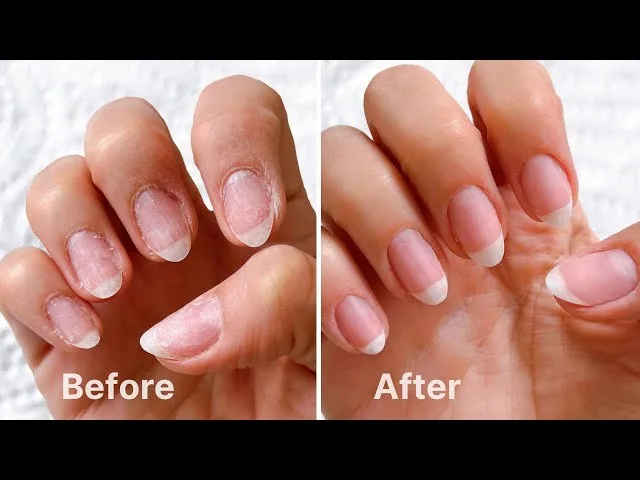
The safest way to soak off gel nails at home involves using acetone and foil wraps after proper nail preparation, ensuring minimal damage to natural nails. This method effectively lifts the gel polish without excessive scraping or harsh tools. Following a step-by-step process helps ensure all gel is removed and nails remain healthy. This includes specific techniques for applying acetone, waiting times, and gentle removal actions.
How Do You Gently Remove Loosened Gel Without Damaging Nails?
You gently remove loosened gel by using a cuticle pusher to lift the softened gel and then lightly buffing any remaining residue. This approach prevents damage to your natural nails. Techniques for gently pushing off softened gel polish involve guiding the cuticle pusher under the lifted edges of the gel, carefully separating it from the natural nail. After the majority of the gel is removed, a fine-grit buffer smooths the nail surface, ensuring no harsh pressure is applied. This meticulous process safeguards the integrity of the natural nail underneath.
What Are the Best Practices for Post-Removal Nail Care?
The best practices for post-removal nail care involve moisturizing, strengthening, and protecting nails to promote health and prevent brittleness. This comprehensive approach supports the recovery of natural nails after gel removal. Aftercare focuses on restoring moisture and fortifying the nail plate against damage. Regular application of nourishing oils and strengthening treatments is crucial for maintaining nail integrity.
What Is the Easiest Way to Remove Gel Nail Polish at Home?
The easiest way to remove gel nail polish at home is using the foil wrap method with acetone-soaked cotton balls. This technique simplifies the removal of gel nails for beginners and those prioritizing ease of use. It effectively lifts gel polish with less scraping compared to other methods, making it suitable for gentle at-home removal. The primary focus of this method is its simplicity and ability to achieve clean results with widely available materials.
Is the Soak-Off Method the Easiest for Gel Nail Removal?
Yes, the soak-off method is widely considered the easiest approach for removing most gel nail polish types at home. This technique requires minimal physical effort, reduces the risk of nail damage, and utilizes readily available materials. It simplifies the gel removal process by allowing the acetone to break down the gel, eliminating the need for aggressive scraping or filing. The soak-off method is effective for various gel applications, ensuring a smooth and controlled removal.
What Are Quick Tips for Faster and Easier Gel Nail Removal?
You can achieve faster and easier gel nail removal by warming the acetone, scoring the gel surface thoroughly, and ensuring the cotton pads are fully saturated. These quick tips streamline the process without compromising nail health. Implementing these practical methods accelerates the breakdown of gel polish, reducing the overall soaking time. Proper preparation and consistent application of acetone are key to achieving efficient and safe removal at home.
How Can You Remove Gel Nails at Home Without Acetone?
Gel nails can be removed at home without acetone by using peel-off base coats or specialized non-acetone gel removers. These methods offer alternatives for individuals with sensitivities or those preferring to avoid harsh chemicals. This approach focuses on gentle removal to protect natural nails, ensuring the process is effective and safe for different nail types.
Are There Effective Acetone-Free Gel Nail Removal Products?
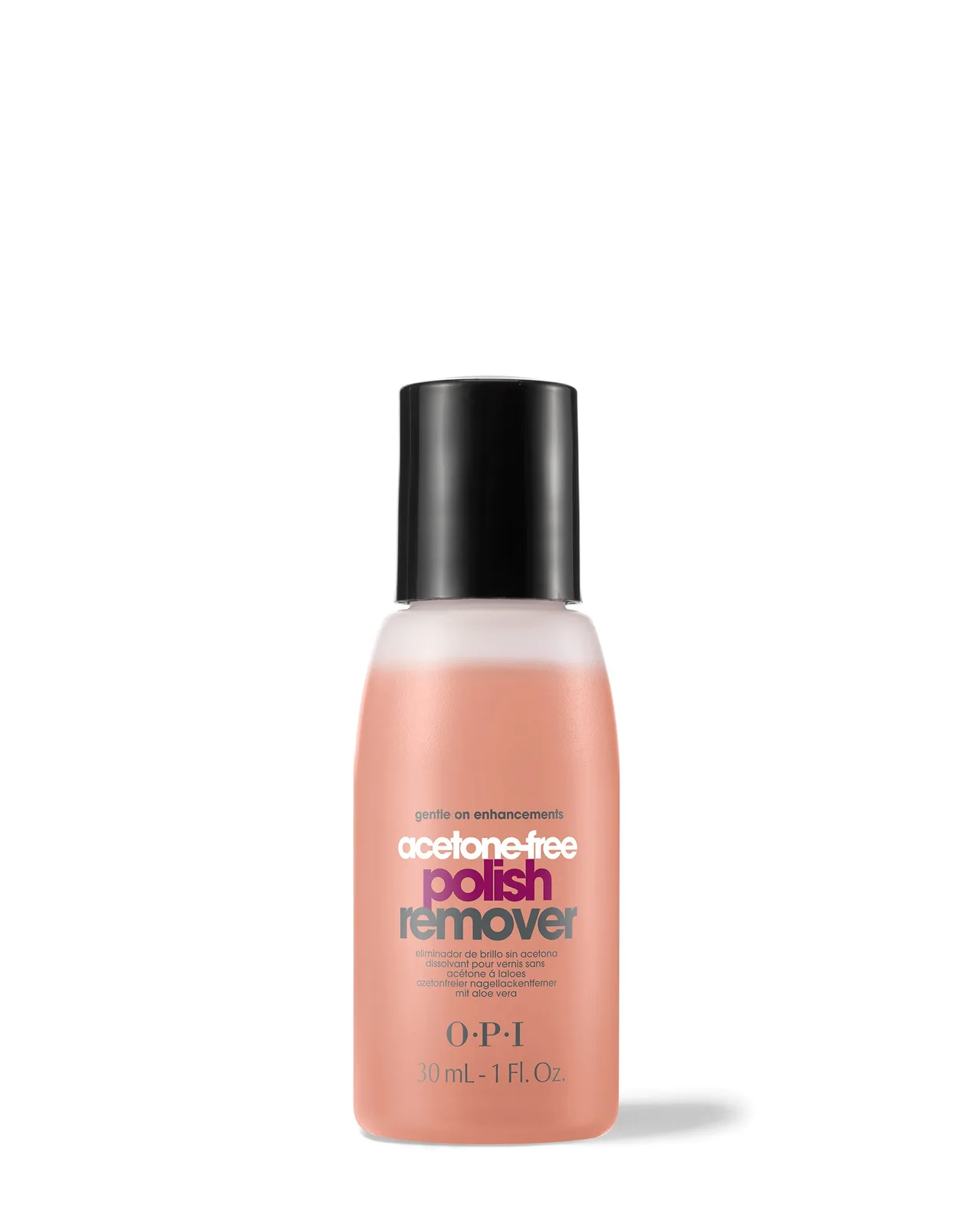
Yes, effective acetone-free gel nail removal products exist, utilizing alternative solvents or gentle peel-off formulations to break down gel polish. These products provide a less harsh option for individuals seeking to avoid acetone’s drying effects or sensitivities. Commercially available acetone-free gel removers often contain ingredients like propylene carbonate or ethyl acetate, which work by softening the gel without the strong chemical properties of acetone. Additionally, peel-off base coats offer a physical removal method where the gel layer is lifted from the natural nail, typically without any chemical removers.
Can You Remove Gel Nails Using Warm Water and Oil?
No, you cannot effectively remove gel nails using only warm water and oil, as these substances do not break down the gel polish bonds. This method lacks the chemical properties required to dissolve gel formulations. While warm water and oil can soften cuticles and hydrate nails, they do not penetrate or lift the cured gel layer. The primary limitation of this method is its inability to interact with the polymer structure of gel polish, making it ineffective for removal. This approach fails to achieve the desired outcome of safely and easily removing gel nails at home.
Is Peeling or Filing Off Gel Nails Without Acetone Safe?
No, peeling or excessively filing off gel nails without acetone is not safe, as it causes significant damage to the natural nail plate. This practice leads to thinning, weakness, and potential infections. Peeling gel polish forcibly removes layers of the natural nail, compromising its integrity. Excessive filing also thins the nail, making it more susceptible to breakage and splitting. These methods do not dissolve the gel, instead relying on mechanical force to separate it from the nail, which frequently results in injury to the underlying nail structure.
How Do You Remove Gel Nails at Home Without Causing Damage?
To remove gel nails at home without causing damage, prioritize careful preparation, gentle removal, and comprehensive post-removal nail care. This process minimizes trauma to the natural nail plate and surrounding skin. Avoiding harsh scraping, excessive filing, and forceful peeling ensures the integrity and health of your nails during and after gel polish removal.
What Are Common Mistakes to Avoid During At-Home Gel Removal?
Common mistakes during at-home gel nail removal include aggressive filing, forcefully peeling or prying off gel, and insufficient soaking time. These errors often lead to damage to the natural nail plate and surrounding skin. Avoiding these frequent errors ensures a safer and more effective at-home gel removal experience. Improper techniques compromise nail health, causing thinning, breakage, and potential infections. Proper adherence to gentle methods safeguards the integrity of your natural nails.
How Does Proper Filing Technique Prevent Nail Damage?
Proper filing technique prevents nail damage by gently breaking the gel’s top seal without abrading the natural nail plate. This meticulous approach ensures the gel is prepared for removal without compromising the underlying nail’s integrity. To achieve this, use a fine-grit nail file and focus on light, even strokes across the gel’s surface, avoiding excessive pressure or filing down to the natural nail. This targeted filing helps the acetone penetrate the gel more effectively, facilitating a smoother and safer removal process.
Why Is Moisturizing Crucial After Gel Nail Removal?
Moisturizing is crucial after gel nail removal because it restores essential hydration and nutrients to the natural nails, preventing dryness and brittleness. This process supports the recovery of the nail plate and surrounding cuticles, which often become dehydrated and weakened during the removal process. Hydration helps maintain nail flexibility and strength, minimizing the risk of breakage and peeling. Regular application of nourishing oils and creams reconditions the nails, promoting overall health and a smoother appearance.
What Are the Differences Between Removing Various Gel Nail Types at Home?
The removal process for different gel nail types varies slightly, requiring specific considerations for soft gel, hard gel, builder gel, and dip powder nails. Understanding these distinctions ensures effective and damage-free removal at home. Each gel type possesses unique properties that influence the required soaking time, filing intensity, and gentle lifting techniques, preventing potential harm to natural nails.
Conclusion
You can safely and easily remove gel nails at home by gently filing the topcoat, soaking them in acetone using the foil wrap method, and carefully pushing off the loosened gel. For those avoiding acetone, peel-off base coats or specialized non-acetone removers are effective alternatives. Always prioritize proper preparation and gentle techniques to prevent damage, followed by essential post-removal nail care to restore hydration and strength. Understanding the nuances of different gel types ensures a smooth and damage-free removal process, maintaining the health and integrity of your natural nails.