Builder gel can be both good and bad for your nails, depending on application and care. It offers strength and durability but can also cause damage if not applied or removed correctly.
However, builder gel can be damaging if applied or removed improperly, leading to infections or weakened natural nails. Improper application can trap moisture, leading to fungal infections, while harsh removal methods can weaken the natural nail.
Builder gel strikes a balance between strength and flexibility compared to other methods, making it favored for its natural look and versatility.
What are the advantages of builder gel for nail health?
Builder gel significantly enhances nail health by strengthening and protecting natural nails. This popular enhancement provides a robust layer, preventing breakage and promoting the growth of healthier nails underneath. Builder gel is suitable for various nail types, including those prone to brittleness or chipping, offering a versatile solution for improved nail integrity. Additionally, its flexible nature minimizes stress on the natural nail, contributing to long-term health benefits.
What are the disadvantages of builder gel for nail health?
The disadvantages of builder gel for nail health include potential damage from improper application or removal, leading to issues such as infections and weakened natural nails. These problems can impact overall nail integrity. Addressing the cons of builder gel reveals key concerns including heat spikes and allergic reactions, which users might encounter. Therefore, understanding these risks is crucial for maintaining optimal nail health.
How does builder gel compare to other nail enhancements?
Builder gel stands out from other nail enhancements by offering a unique combination of flexibility, durability, and a natural feel. This distinct balance allows for versatile application, supporting nail growth while minimizing the heavy, rigid sensation often associated with alternatives like acrylics or hard gels. Understanding these distinctions helps in choosing the most appropriate nail enhancement for individual needs and desired outcomes.
Is builder gel healthier than acrylic nails?
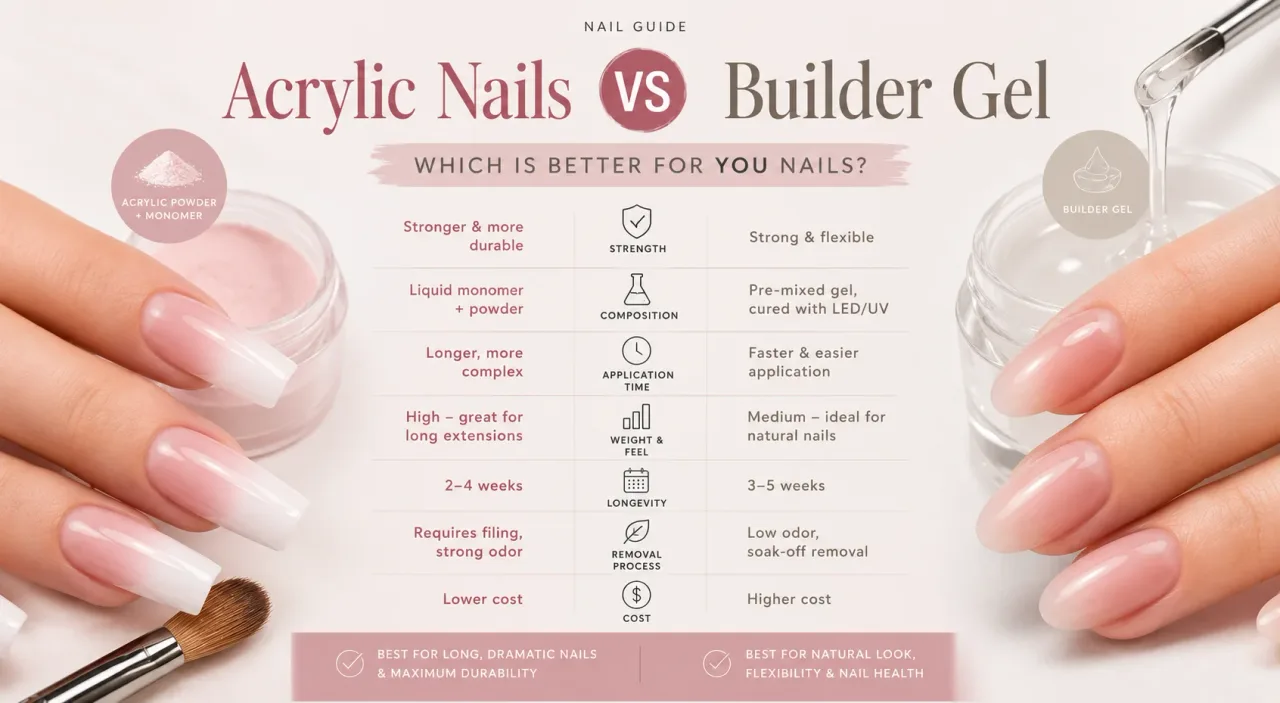
Builder gel is generally considered a healthier alternative to acrylic nails due to its flexibility and reduced impact on the natural nail. This type of enhancement offers a less rigid structure, which helps to minimize stress and potential damage to the underlying nail bed. The health implications of builder gel versus acrylics reveal that builder gel often provides a more breathable and less invasive option, supporting nail integrity over time. Acrylics, while durable, are known for their harder composition and can sometimes lead to more severe damage if not applied or removed with utmost care.
How does builder gel differ from regular gel polish?
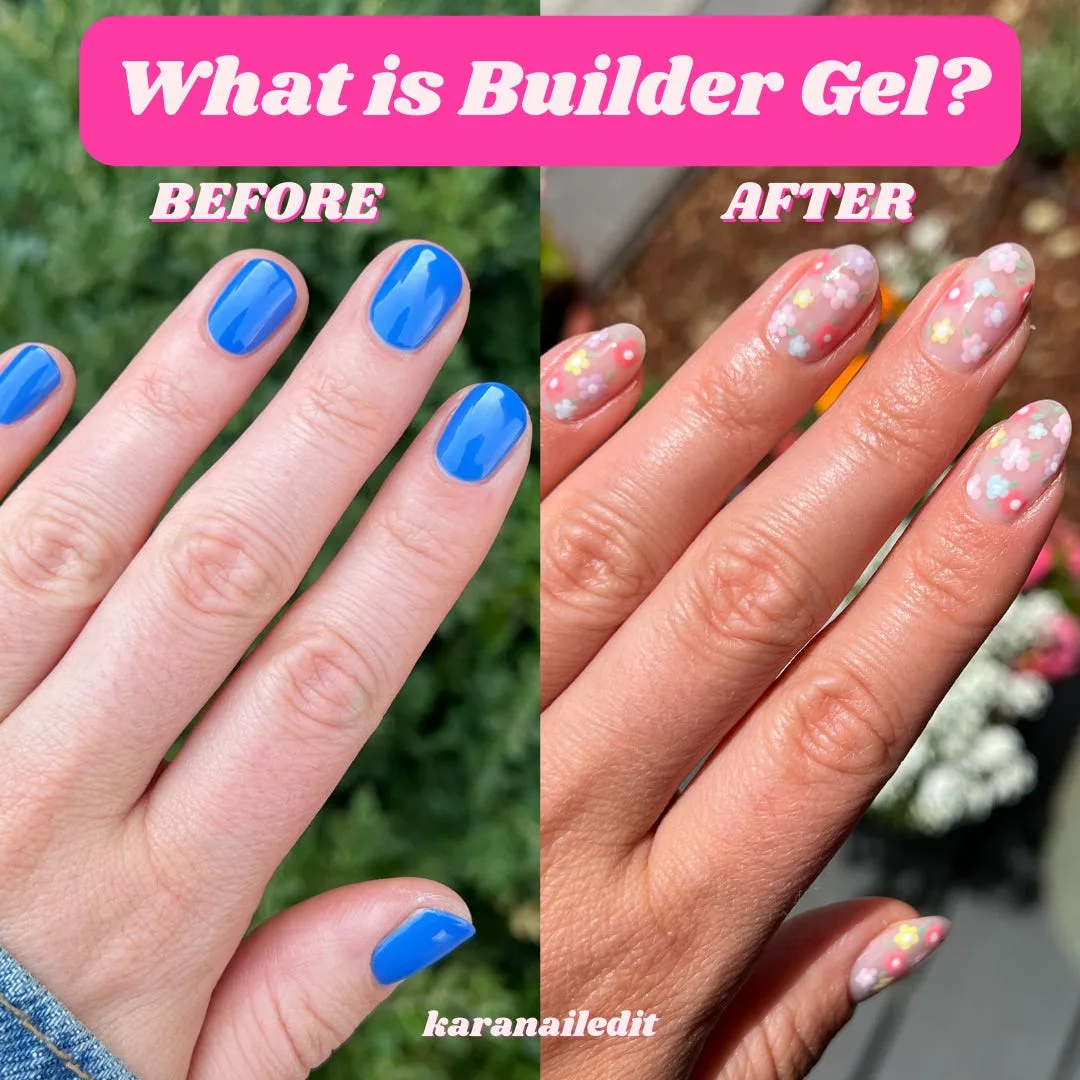
Builder gel differs from regular gel polish primarily in its structure and purpose, with builder gel providing strength and extension while gel polish offers color and shine. Builder gel creates a thicker, more durable layer for sculpting and lengthening nails, whereas gel polish applies as a thin coat for aesthetic enhancement. These distinctions determine their respective applications and benefits for nail care. Builder gel serves as a foundational layer for building and repairing nails, often used for overlays and extensions. Gel polish provides a long-lasting color finish, typically applied over natural nails or existing enhancements for decorative purposes.
What are the healthiest options for nail enhancements?
The healthiest options for nail enhancements include builder gel, gel polish, and dip powder. These choices prioritize breathability, minimal damage, and ease of removal, which are crucial for maintaining natural nail integrity.
Selecting enhancements that support long-term nail health involves understanding how different products interact with the natural nail bed. Healthier alternatives typically focus on formulations that allow for natural nail growth and strength without causing excessive stress or chemical exposure. This approach helps minimize potential harm while still achieving desired aesthetic results.
How can builder gel be safely removed to minimize nail damage?
Builder gel can be safely removed to minimize nail damage through a meticulous, multi-step process that protects the natural nail. This approach ensures the integrity of your nails, preventing the weakening and breakage often associated with improper removal techniques. Adhering to professional guidelines during the removal process maintains nail health and prepares them for future treatments or natural growth.
What tools and products are needed for builder gel removal?
To remove builder gel, you will need a coarse nail file, acetone, cotton pads, foil wraps, and a cuticle pusher. This comprehensive set ensures a safe and effective removal process, minimizing damage to the natural nail. Proper use of these items facilitates the breakdown and gentle scraping away of the gel, protecting the underlying nail bed. Additional items such as a nail buffer and cuticle oil are also beneficial for post-removal nail care.
Conclusion
Builder gel offers a unique balance of strength and flexibility, enhancing nail durability and appearance.
It provides significant advantages in protecting natural nails and promoting growth. However, potential disadvantages can arise from improper application or removal, which may lead to damage.
Compared to acrylics, builder gel is generally healthier due to its less rigid structure. It also differs from regular gel polish by providing foundational strength and extension. Ultimately, safe application and meticulous removal are crucial for maintaining optimal nail health when using builder gel.