Gel nail polish can harm fingernails, causing dehydration, thinning, and brittleness. Concerns include UV light exposure from curing lamps, potential allergic reactions to ingredients, and increased risks of nail plate damage or infections. Healthier alternatives like breathable polishes or breaks from gel manicures support nail well-being. Discover more about maintaining healthy nails with Profile The Chain of Salons.
What are the potential negative impacts of gel nail polish on fingernail health?
Gel nail polish damages fingernails by thinning, dehydrating, and increasing brittleness. Both application and removal processes contribute to these issues. UV/LED light exposure can dehydrate and weaken the nail bed. Repeated acetone exposure can lead to brittle and fragile nails.
What specific damage can gel nail polish cause to fingernails?
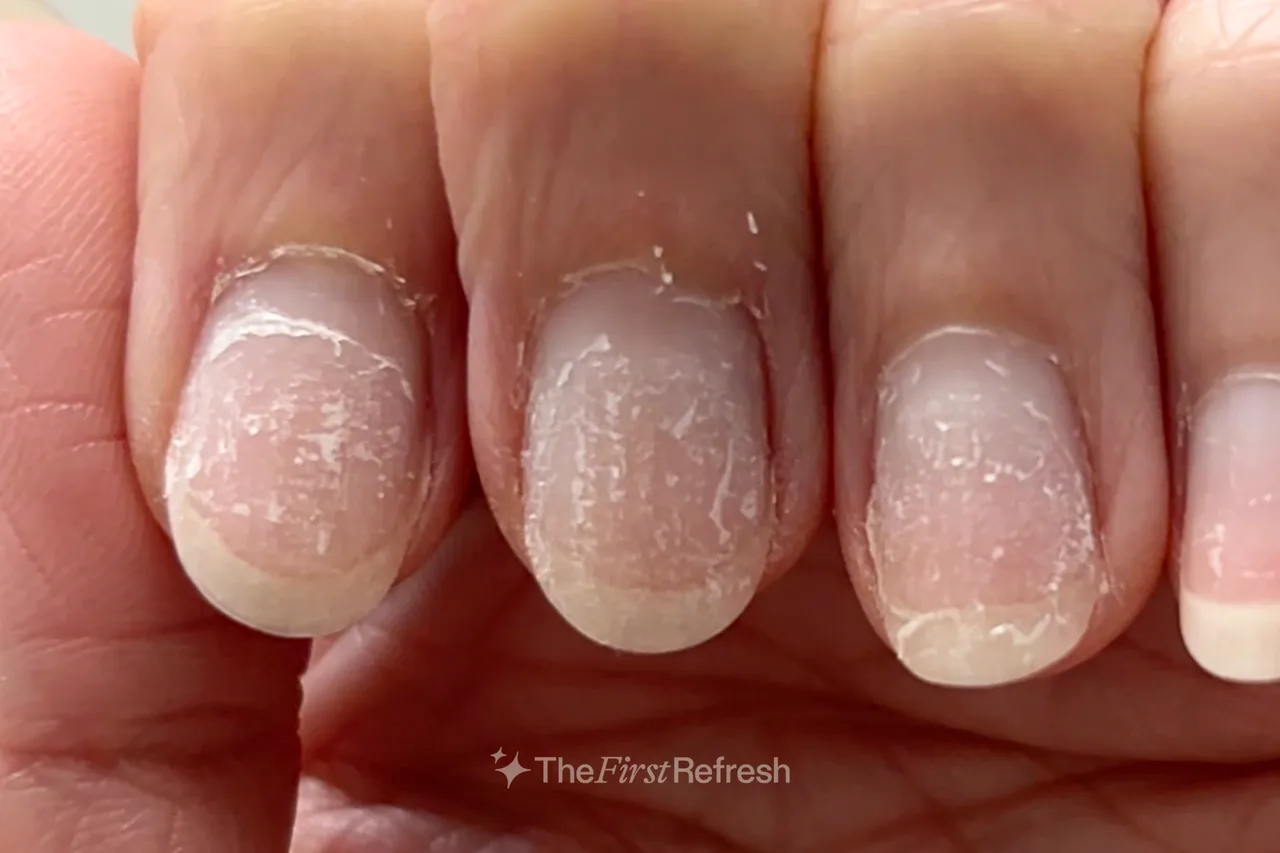
Gel nail polish can damage fingernails through thinning, increased brittleness, and dehydration. These issues compromise the structural integrity and overall health of the nails. Common concerns and observed problems related to gel polish use on nail health involve changes to the nail’s physical properties.
Repeated application and removal processes, especially those involving harsh scraping or prolonged acetone soaks, contribute to the nail plate becoming noticeably thinner. This thinning makes nails more susceptible to breakage and splitting. Additionally, gel nail polish causes increased brittleness, leading to chips and cracks. Dehydration also plays a significant role, as the nail plate loses its natural moisture, resulting in a dull appearance and increased fragility.
Are there healthier alternatives to gel nail polish for fingernails?
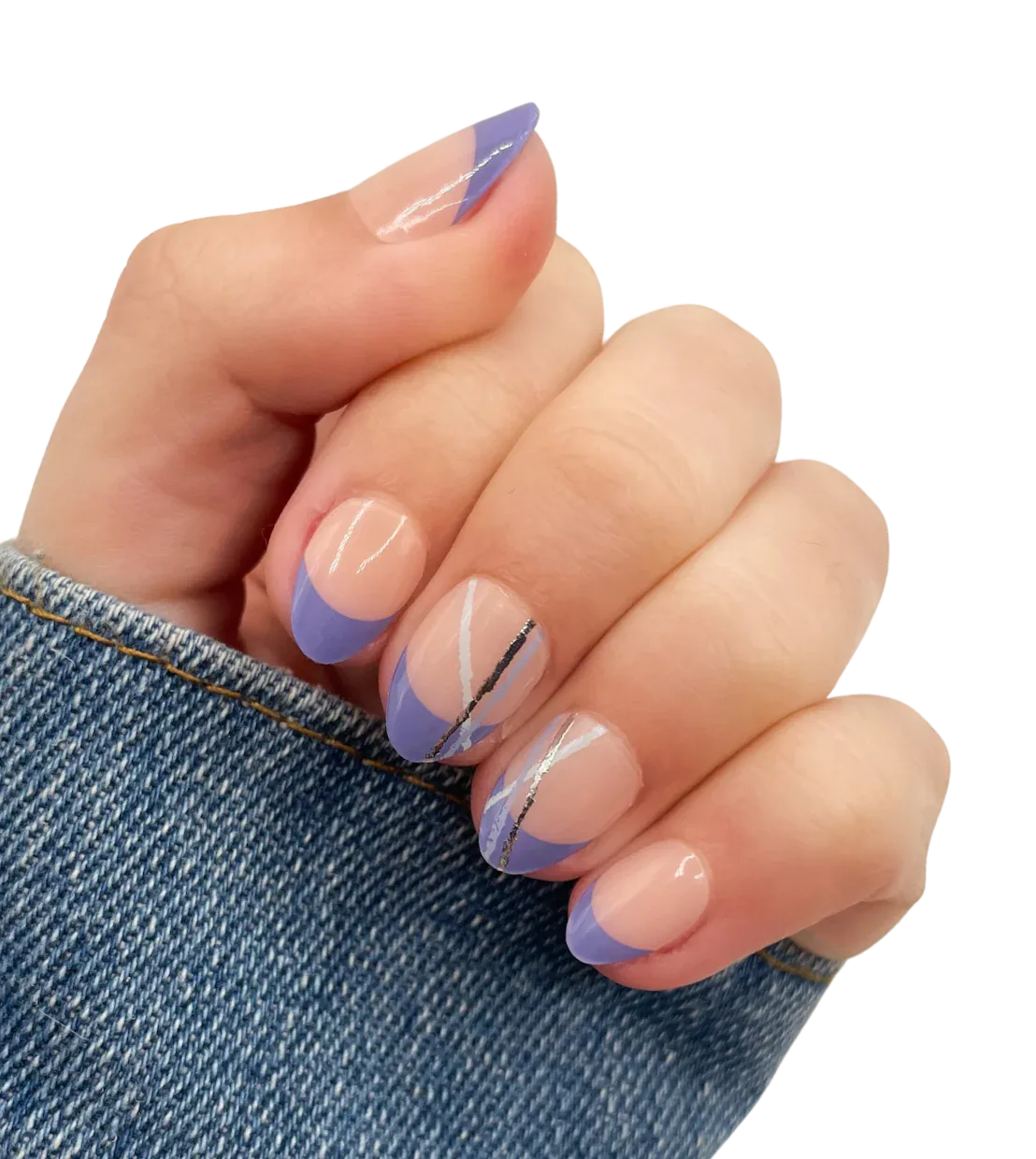
Yes, healthier alternatives include regular polish, breathable polish, and nail strengtheners. These options offer less damaging ways to maintain nail aesthetics and health. Understanding the benefits of each type supports informed nail care choices.
Regular nail polish provides a traditional option that allows for easier removal without harsh scraping or prolonged acetone soaks, reducing potential nail damage. Breathable polishes are formulated to allow oxygen and moisture to pass through. Breathable nail polishes promote better nail hydration and overall health.
Additionally, nail strengtheners deliver nutrients and fortifying ingredients directly to the nail plate. Nail strengtheners can improve resilience and prevent breakage over time.
How can the safety of gel manicures be determined?

The safety of gel manicures hinges on proper application and removal techniques, alongside the distinction between professional and at-home practices. This evaluation is crucial for minimizing potential damage to fingernails.
Evaluating safety requires attention to several key aspects, including minimal contact of gel polish with skin and cuticles, curing under appropriate UV/LED light exposure, and avoiding excessive filing of the natural nail. Incorrect application increases the risk of allergic reactions and nail thinning. Furthermore, safe removal practices are vital. These include gentle soaking in acetone and avoiding aggressive scraping or peeling to prevent nail plate damage.
The choice between professional salon services and at-home kits also impacts safety. Professional salons typically use higher-quality products and trained technicians who adhere to proper protocols, reducing risks associated with improper application and removal. At-home kits, while convenient, often result in inconsistent application and removal, increasing the likelihood of nail damage or allergic reactions.
How does the UV/LED curing process of gel polish affect fingernail health?
The UV/LED curing process harms fingernail health by causing dehydration and potential damage. This process involves exposure to ultraviolet or LED light, which cures the gel, but also impacts the nail’s integrity. Prolonged or repeated exposure to UV/LED light contributes to dehydration of the nail plate, making nails brittle and prone to breakage. Additionally, A new study by researchers at the University of California San Diego found that radiation from UV nail dryers can lead to premature aging of the skin on the hands, increasing the risk of wrinkles and age spots.
Conclusion
Gel nail polish can significantly impact fingernail health, primarily causing dehydration, thinning, and brittleness. Issues stem from both the application and removal processes, including UV/LED light exposure and repeated acetone soaks, which compromise nail plate integrity and increase fragility. While specific damage includes thinning, increased brittleness, and allergic reactions, healthier alternatives like breathable polishes and occasional breaks can mitigate these risks. Understanding proper application and removal, ideally through professional services, is crucial for minimizing damage and maintaining overall nail well-being.