Gel manicures offer chip-free wear but carry risks like thinning nails and allergic reactions. This article explores gel nail health and safety.
Comparing gel and regular nail polish, gel polish provides longer durability and a high-gloss finish, while regular polish is easier to remove and typically less damaging to the natural nail.
The healthiest approach to gel nails involves proper application techniques, including minimal buffing and careful curing, along with professional removal to prevent nail damage. Profile The Chain of Salons prioritizes nail health through expert services and guidance.
To fully understand the specifics, let’s explore the risks and benefits of gel manicures, compare them to regular nail polish, and identify the healthiest ways to maintain your nails.
What are the risks and benefits of gel manicures?
Gel manicures offer extended wear, durability, and a glossy finish, but also carry risks like nail thinning and allergic reactions. Understanding these factors is crucial for making informed decisions about gel nail care. The benefits of gel manicures include Gel nail longevity, often lasting two to three weeks without chipping, and their ability to provide a protective layer for natural nails. Risks involve nail thinning, brittleness, and dehydration, especially if the gel is peeled off or improperly soaked. Allergic reactions to ingredients like acrylates also present a concern for some individuals. Additionally, devices used to cure gel polish primarily emit UVA.
How do gel nail polish and regular nail polish compare in terms of nail health?
Gel nail polish offers superior durability and chip resistance, while regular nail polish is generally less damaging to the natural nail due to its easier removal process. This distinction highlights key differences in their impact on nail health. Gel polish creates a strong, protective layer, potentially reducing breakage for some users. Conversely, regular polish requires less abrasive removal techniques, which minimizes the risk of nail thinning or dehydration often associated with improper gel removal. Gel polish may also involve UV/LED light exposure during curing, a factor absent with regular nail polish application. UV lamps dry and harden gel polish in minutes, giving nails a shiny and long-lasting finish.
What is the healthiest way to do gel nails?
Healthy gel nail practices involve proper preparation, careful application, and consistent aftercare. This approach minimizes damage and ensures the longevity and appearance of gel manicures. Healthy gel nail practices focus on protecting the natural nail throughout the entire process, from initial application to removal and subsequent care.
What preparation steps ensure healthy gel nail application?
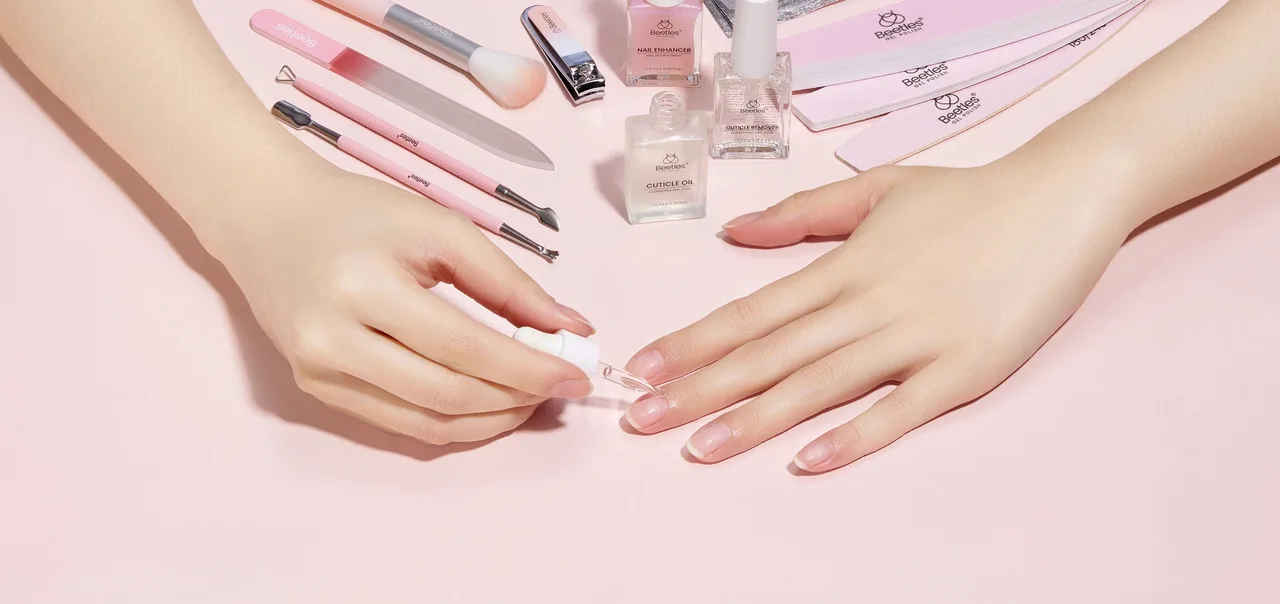
Thorough nail preparation is essential for healthy gel nail application. This minimizes potential damage and promotes better adhesion of the gel polish. Healthy preparation steps involve ensuring the nails are clean and dry, which prevents moisture from getting trapped under the gel.
Additionally, proper cuticle care, such as gently pushing back cuticles, creates a clean canvas for application without cutting them, which can lead to infection. Light buffing of the nail plate provides a slightly rough surface for the gel to adhere to. However, excessive buffing causes thinning and weakness.
How can you safely remove gel polish at home?

Safely removing gel polish at home minimizes damage to the natural nail. This approach ensures the gentle dissolution of gel without causing excessive stress or breakage. According to Hello Bacsi, removing gel polish involves soaking cotton pads in acetone, wrapping them in foil, and after the gel loosens, gently scraping it off before moisturizing. After soaking, the loosened gel is gently pushed off the nail plate with a cuticle pusher. Excessive force or peeling off the gel can lead to significant nail thinning and damage.
What is the role of professional training in gel nail safety?
Professional training for nail technicians ensures client safety by minimizing risks associated with improper gel nail application and removal. This training is crucial for understanding the intricacies of gel products and their potential effects on nail health. Professional training covers proper sanitation practices, the correct application of gel products, including base coats, color, and top coats, to prevent lifting or damage, and the use of appropriate curing lamps. It also emphasizes safe removal techniques, such as soaking nails in acetone for the correct duration and gently pushing off loosened gel, rather than harsh scraping or peeling, to avoid weakening the natural nail. Proper training also educates technicians on identifying potential allergic reactions and skin sensitivities, contributing to a safer overall experience for clients.
Conclusion
Gel manicures offer lasting beauty but necessitate informed choices for nail health. While providing extended wear and a glossy finish, they pose risks such as thinning and allergic reactions, especially with improper application or removal. Unlike regular polish, gel requires specific techniques and UV/LED light exposure. Prioritizing healthy practices, including gentle preparation, careful application, and professional removal, minimizes damage. These measures, alongside professional training for technicians, ensure the benefits of gel nails are enjoyed without compromising natural nail integrity and safety.