A gel manicure involves applying layers of gel polish that are cured under a UV or LED light, offering a durable and long-lasting finish. This process results in nails that resist chipping and maintain a high-gloss shine for weeks.
While gel manicures provide extended wear and a flawless look, they also present potential downsides such as nail dehydration, thinning, and damage if not properly removed. Awareness of these drawbacks is crucial for maintaining nail health.
Unlike regular manicures that use traditional nail polish, gel manicures utilize a specific gel formula that requires light curing, providing superior durability and a chip-free wear that can last significantly longer. This distinct application and curing process differentiates them from air-dried polishes.
To fully understand what a gel manicure entails, including its application and characteristics, let’s explore the typical process and what you can expect when visiting Profile The Chain of Salons.
What is the typical process for a gel manicure?
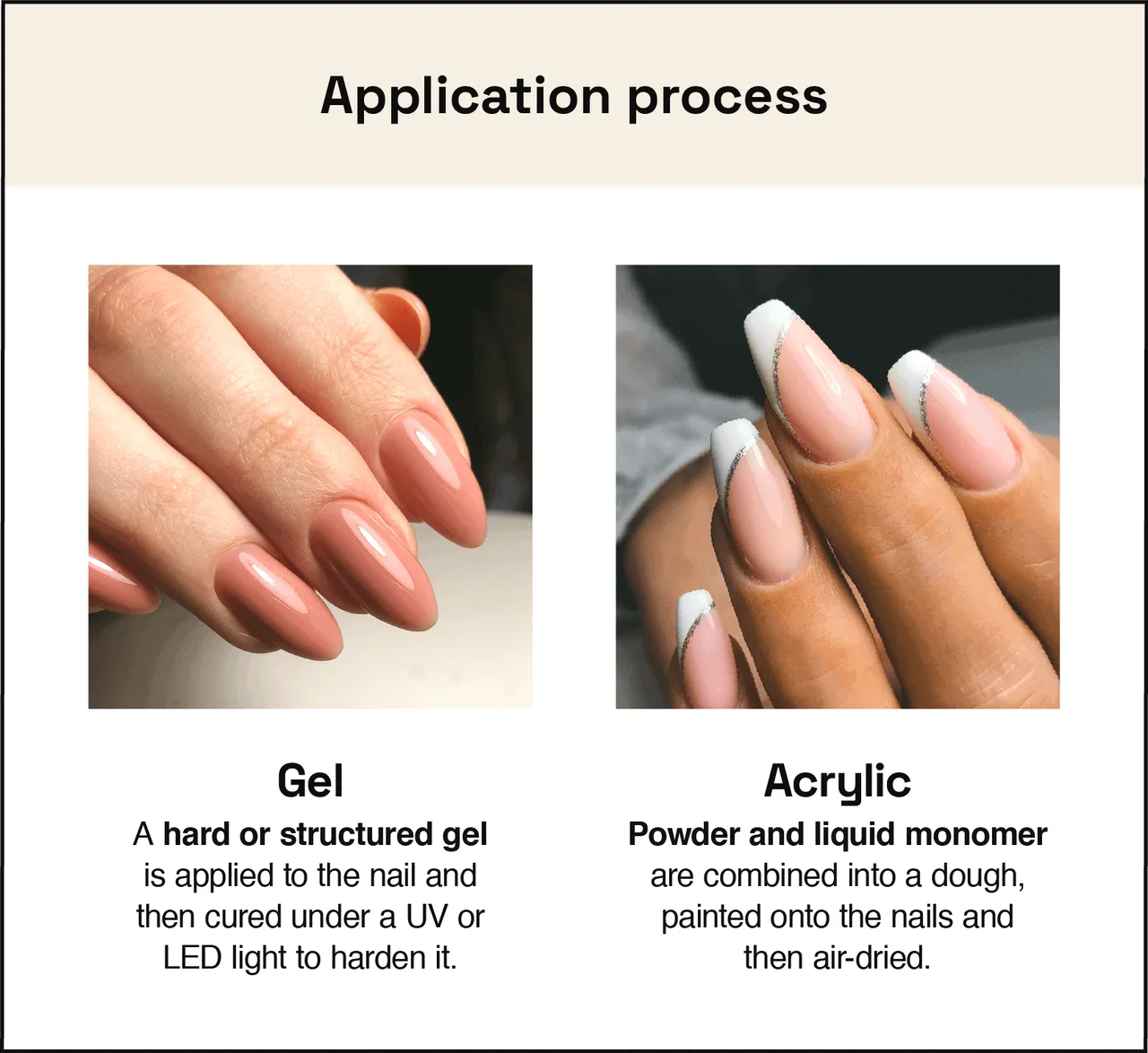
A gel manicure typically involves a multi-step application and curing process, resulting in a durable and high-gloss finish. This comprehensive procedure differentiates it significantly from a regular manicure, focusing on meticulous preparation and specific gel product application. The process begins with nail preparation, where nails are cleaned, shaped, and buffed to create an ideal surface. Following this, a base coat is applied and cured under a UV or LED light, providing adhesion for subsequent layers. Color gel polish is then applied in thin coats, with each layer cured individually to ensure even coverage and durability. Finally, a top coat seals the manicure, cured one last time to deliver a long-lasting shine and protection. This systematic approach ensures the longevity and chip-resistance characteristic of gel manicures.
What are the defining characteristics of a gel manicure?
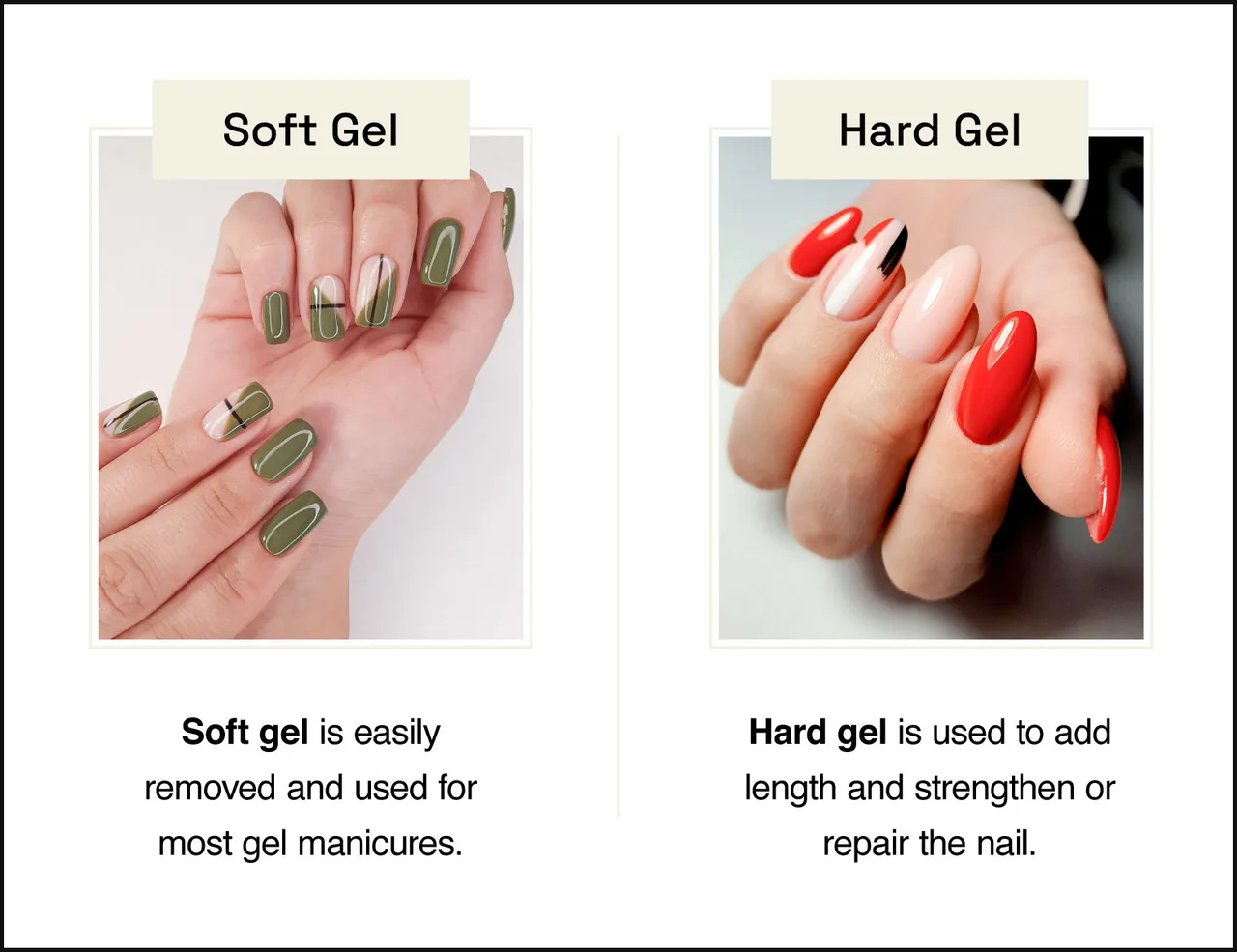
A gel manicure is characterized by its exceptional durability, lasting significantly longer than traditional polish with a high-gloss finish and instant drying time. This distinct set of attributes sets it apart from conventional nail applications. Gel manicures offer superior chip resistance and maintain their pristine appearance for weeks. The curing process under UV or LED light ensures that nails are completely dry immediately after application, preventing smudges and allowing for immediate use of hands. Furthermore, the feel of a gel manicure is typically more robust and substantial compared to the thin, sometimes fragile, layer of traditional polish, providing a protective coating for the natural nail.
What are the potential downsides of gel nails?
Gel nails present several potential downsides, including direct nail damage, a demanding removal process, and higher overall cost compared to traditional manicures. These factors require consideration before committing to gel nail applications. The integrity of natural nails is compromised through repeated buffing and filing, leading to thinning and weakening. Furthermore, improper removal, often involving aggressive scraping or peeling, can severely damage the nail plate. The specialized products and application expertise required for gel manicures contribute to a higher price point, both for the initial service and subsequent maintenance or removal.
How do gel manicures compare to regular manicures?
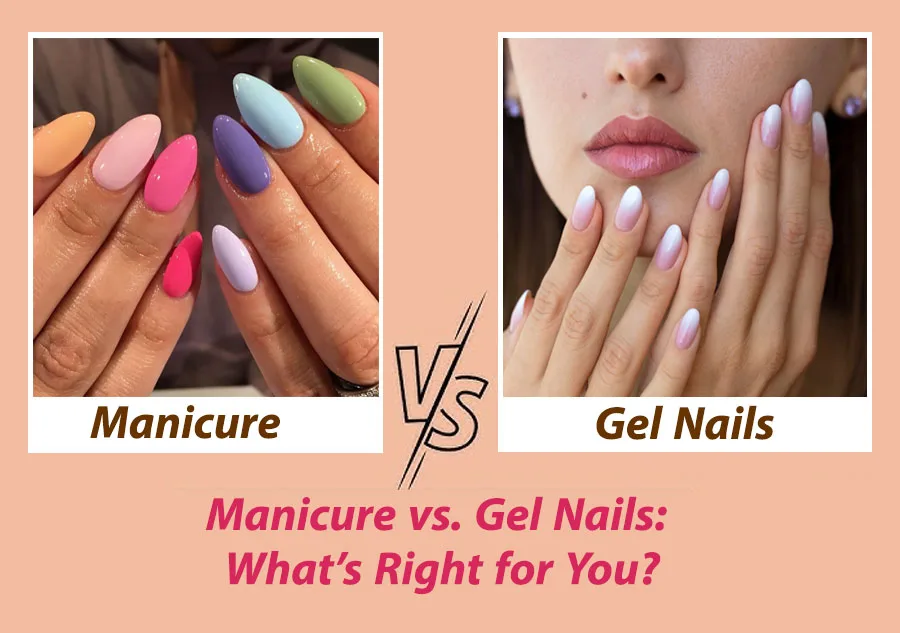
Gel manicures offer extended longevity, immediate drying, and a robust finish, distinguishing them from regular manicures which are less durable and require air drying. This comparison highlights significant differences in application, wear, appearance, and removal. Gel polish requires curing under UV or LED light for each layer, resulting in a chip-resistant finish that lasts for weeks. Regular manicures, conversely, use traditional polish that air-dries, typically lasting only a few days before chipping. The appearance of gel nails is notably glossier and thicker, providing a more substantial feel, while regular polish offers a thinner, less durable coating. Removal of gel polish is a more intricate process, often involving soaking in acetone, whereas regular polish is easily removed with standard nail polish remover.
Does the type of UV/LED lamp impact gel manicure results?
Yes, the type of UV/LED lamp significantly impacts gel manicure results by affecting the curing process and ultimately the durability and appearance of the manicure. Different lamps emit varying wavelengths and intensities of light, which are crucial for properly polymerizing the gel polish. An inadequate lamp can lead to under-cured gel, resulting in a manicure that chips easily, appears dull, or even causes allergic reactions due to uncured product. Conversely, using the correct lamp ensures a complete cure, providing the intended long-lasting, high-gloss finish characteristic of a professional gel manicure.
Conclusion
In summary, gel manicures offer a durable, high-gloss finish that lasts significantly longer than traditional polish, achieved through a multi-step application and UV/LED light curing process. While providing superior chip resistance and immediate drying, it is crucial to be aware of potential downsides like nail damage from improper removal and the higher cost. Understanding these characteristics, the application process, and potential drawbacks ensures a satisfying and informed gel manicure experience.