It was a typical busy Saturday morning at the salon when a client rushed in, clearly flustered. She had a wedding to attend that afternoon and was distressed to find her gel manicure had started lifting after just four days. As I listened to her concerns, I recognized the need to address not just the immediate issue but the underlying techniques that could have prevented this disaster. This experience sparked my desire to share my insights on nail care, particularly for those seeking top-notch services at a nail salon Spokane Valley.
Nail care is more than just a routine; it’s an art that requires knowledge, skill, and a deep understanding of nail anatomy and health. In this article, I will delve into essential nail care techniques, including cuticle care, nail trimming, and proper application of gel and dip products, while also highlighting the importance of hygiene and local climate factors.
Understanding Cuticle Care
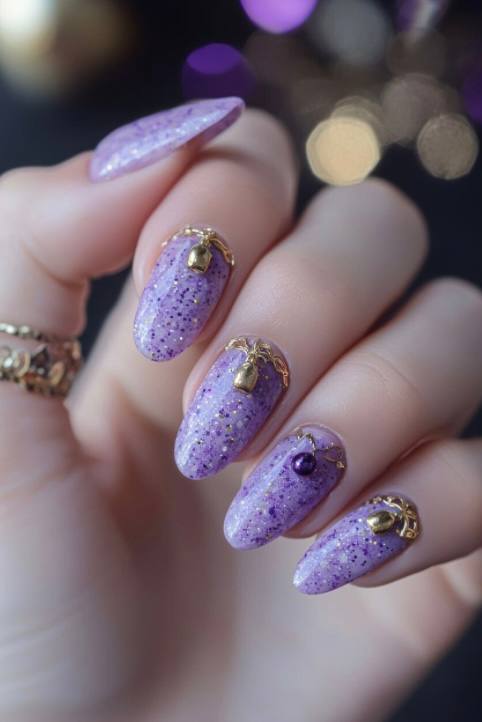
Many clients often confuse the living proximal nail fold, known as the eponychium, with the dead cuticle tissue that can accumulate along the nail bed. In my practice, I emphasize the importance of gentle cuticle care to maintain nail health. I always start by softening the cuticles with a moisturizing oil or cream. This allows me to push back the cuticles gently without causing damage.
Trimming should be minimal and limited to only the loose, dead hangnails. Cutting into live cuticle tissue breaks the biological seal, which can lead to chronic hangnails, pain, and even infections. By prioritizing proper cuticle care, my clients not only enjoy better-looking nails but also healthier ones.
Nail Trimming and Podiatric Health
When it comes to toenail care, the technique is crucial for preventing issues like ingrown toenails, also known as onychocryptosis. I always advise my clients to have their toenails clipped straight across, with smooth edges. This method prevents the nails from digging into the skin at the corners, which can be both painful and unsightly.
For my clients who are active or wear open-toed footwear often, regular pedicures are essential. A well-maintained toenail not only looks good but contributes to overall foot health, especially for those who spend long hours on their feet.
Mastering Gel and Dip Application
The application of gel and dip products is an area where many technicians can improve. I always stress the importance of applying thin, even coats. This technique ensures that the product cures properly under UV or LED lights. Leaving a micro-gap of about 1mm between the polish and the proximal nail fold is crucial to prevent lifting and moisture entrapment, which can lead to premature peeling.
Additionally, I encourage my clients to consider their daily routines when choosing between gel and dip products. Gel polish is great for those seeking a more natural look and feel, while dip powder offers longer-lasting durability for individuals who are more hands-on in their work or hobbies.
Product Comparison: Regular Lacquer vs. Gel vs. Dip Powder
When discussing nail products, it’s essential to understand the differences between regular lacquer, gel polish, and dip powders. Regular lacquer is easy to apply and remove but typically doesn’t last as long, making it ideal for those who like to change their nail color frequently. Gel polish offers a more durable finish that resists chipping, while dip powder provides the longest-lasting option.
Choosing the right product often depends on one’s lifestyle. For example, if you work with your hands frequently, dip powder might be the best choice for resilience. However, if you prefer flexibility and frequent changes, regular lacquer could be more suitable.
Hygiene and Sanitation Standards
One of the most critical aspects of nail care is hygiene and sanitation. In my salon, I adhere to gold-standard practices to ensure the health and safety of my clients. This includes using medical-grade autoclave sterilization pouches that are opened in front of clients, single-use disposable buffer and file kits, and pipe-less or disposable liner foot basins.
Additionally, it is imperative that technicians wash their hands before touching any client’s hands. This simple yet effective practice minimizes the risk of transferring bacteria or fungi, which can lead to infections. Clients should never hesitate to inquire about the sanitation practices of their chosen salon.
Local Climate Considerations
Living in Spokane Valley, we experience various climate challenges that can affect nail health. The summer heat can dehydrate nails, while dry air conditioning can lead to brittle nails and cracked cuticles. Open-toed footwear increases the risk of heel fissures, especially for those walking on hard surfaces like concrete.
I recommend regular professional care and at-home hydration routines to combat these climate-related issues. Using a good quality cuticle oil and moisturizing lotion can make a significant difference in maintaining nail health throughout the year.
Expert Insights on Common Nail Issues

Over the years, I’ve encountered numerous nail issues that can arise from improper care or lack of knowledge. Here are a few insights:
- Weak Nails: Often a result of overexposure to water or harsh chemicals. Encourage clients to wear gloves when washing dishes or using cleaning products.
- Chipping Polish: Can be prevented by ensuring that the nail surface is properly prepared before application. This means no oils or lotions should be present on the nail bed.
- Hangnails: Frequent trimming of the cuticle can lead to hangnails. Educate clients about proper cuticle care to avoid this.
Understanding these common issues allows me to better assist my clients in preventing them and maintaining their nail health.
How to Choose the Right Nail Service
Choosing the right nail service can often feel daunting, but it doesn’t have to be. Start by considering your lifestyle: are you someone who prefers a low-maintenance style, or do you enjoy changing your look frequently? Next, assess your nail health. If you have weak or brittle nails, opting for a gel manicure might be more beneficial than dip powder.
Finally, don’t hesitate to communicate with your nail technician. Share your concerns and preferences; a skilled technician will guide you toward the most suitable service for your needs. The right choice can enhance your nail health and overall satisfaction with your manicure.
Why Choose Venetian Nails & Spa?
If you’re in Spokane Valley and seeking a trusted nail salon, I highly recommend Venetian Nails & Spa. The team there exemplifies the highest standards of nail care, ensuring each client receives personalized attention and expert service. From luxurious pedicures to intricate nail art, they have something for everyone looking to enhance their nail health and aesthetics. Your nails deserve the best care possible, and Venetian Nails & Spa is the perfect place to achieve that.
Frequently Asked Questions
What should I look for in a nail salon?
Look for cleanliness, proper sanitation practices, and a knowledgeable staff. It’s also important that the salon uses high-quality products and techniques tailored to your needs.
How often should I get a manicure?
Typically, a manicure every two to three weeks is recommended, depending on your nail growth and maintenance routine. Regular visits can help prevent issues and keep your nails healthy.
Can I bring my own products to the salon?
Yes, you can bring your own products, but always check with your nail technician beforehand to ensure compatibility with their techniques and products.
What are the risks of DIY nail care?
DIY nail care can lead to mishaps like infections from improper sanitization or damaging the nail bed through harsh techniques. It’s often safer and more effective to consult a professional.